Bhutan Trekking: Where to Start
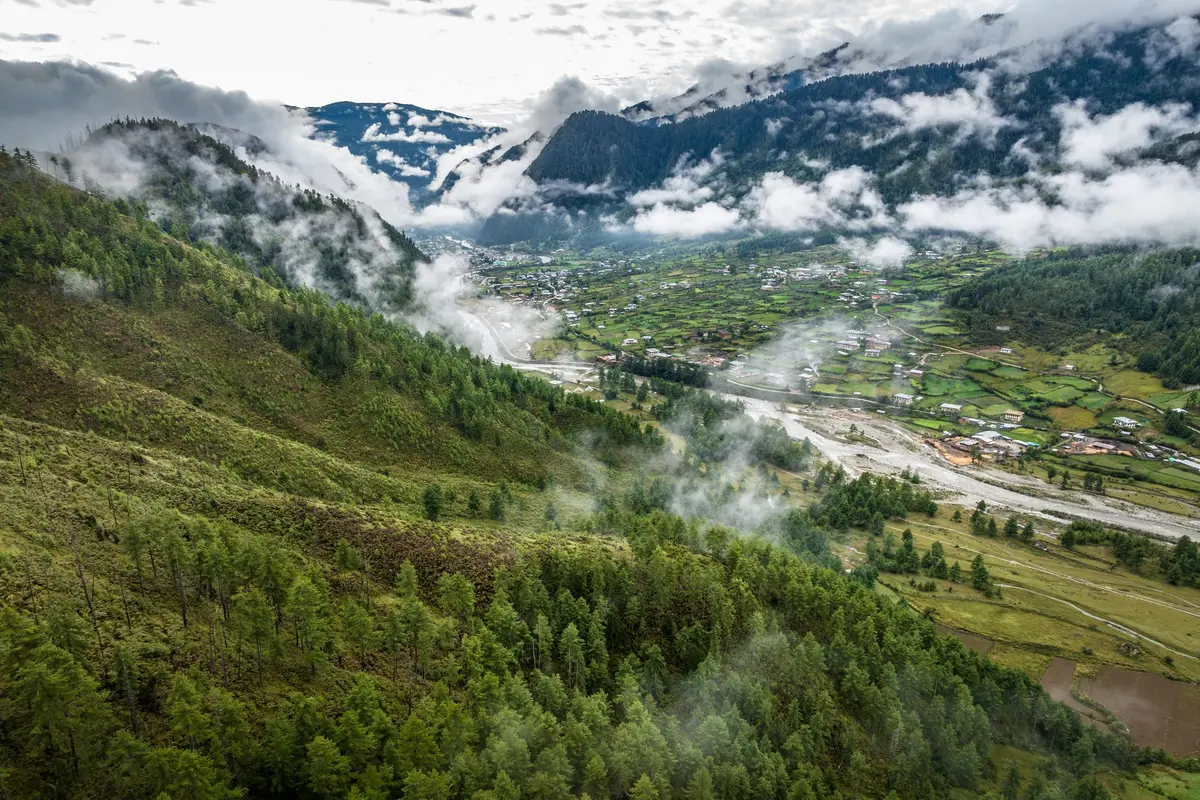
Bhutan trekking ranges from half-day walks to monasteries to some of the longest and highest treks in the Himalaya. This page lists every route we have mapped, 78 in all, with an interactive map, distances and elevation profiles. Use it to compare Bhutan treks by length and difficulty, then open a route for the day-by-day detail.
Most visitors who want to trek in Bhutan start with one of three routes:
- Druk Path: four to six days between Paro and Thimphu, over ridges and past high lakes. The best first trek, with a highest point a little over 4,200 m.
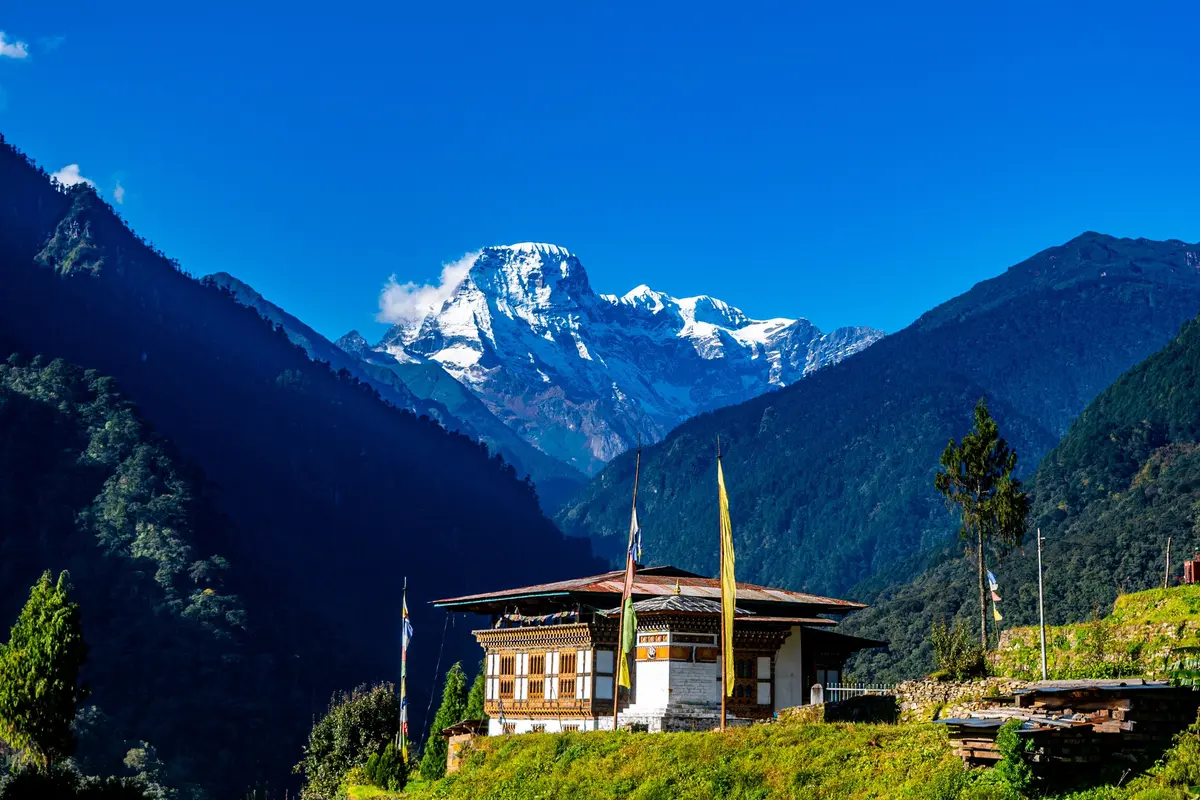
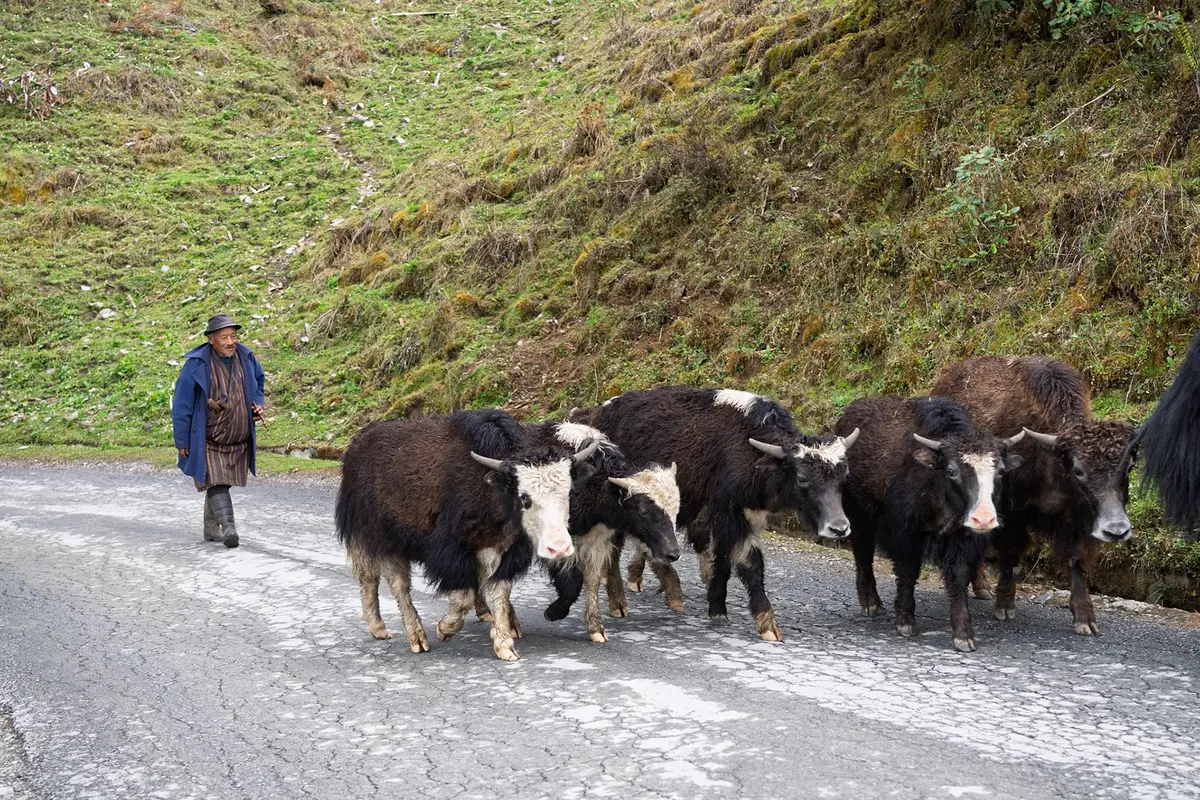
- Jomolhari Base Camp: about a week from the Paro valley to the foot of Jomolhari (7,326 m), through yak-herding country. Harder, with camps around 4,000 m.
- Snowman Trek: more than three weeks across the remote north, crossing several passes above 5,000 m. One of the hardest treks in the world, for experienced trekkers only.
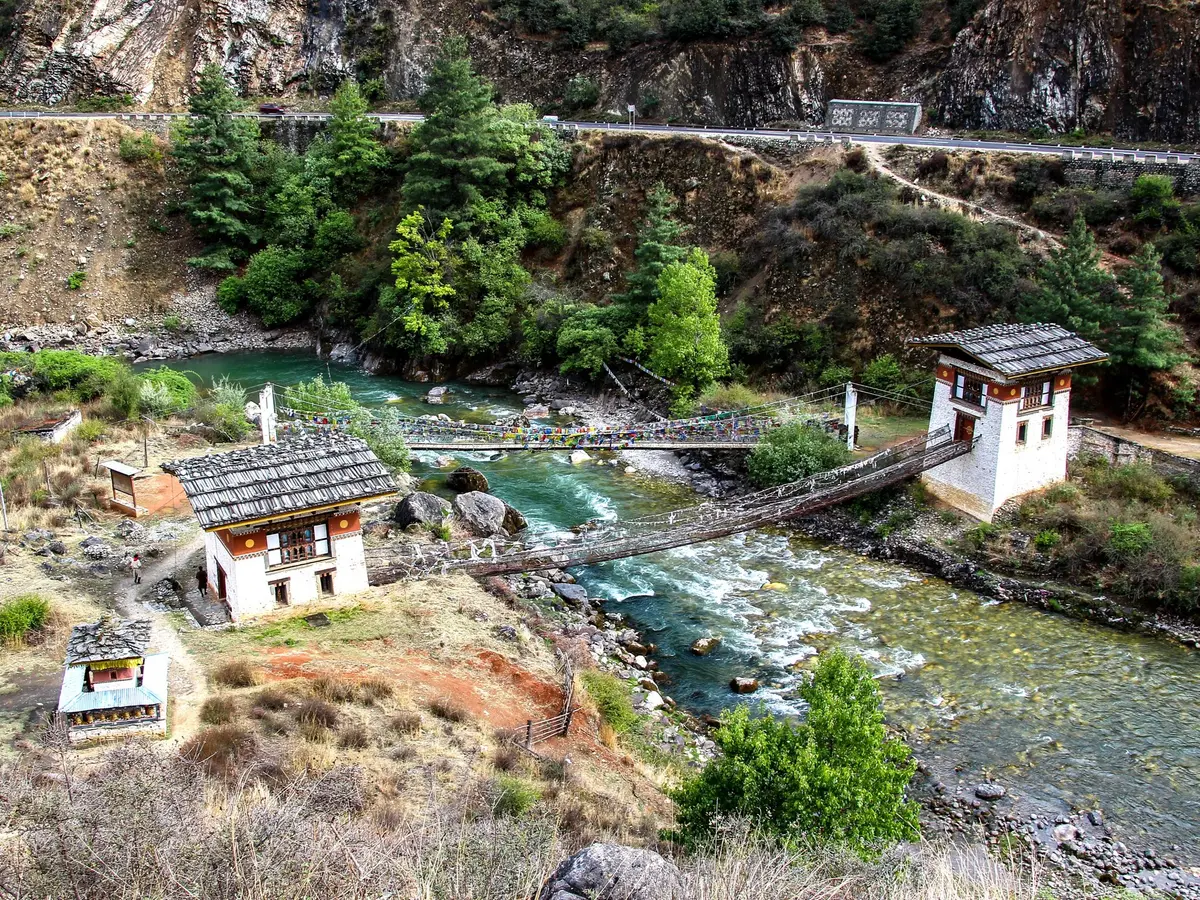
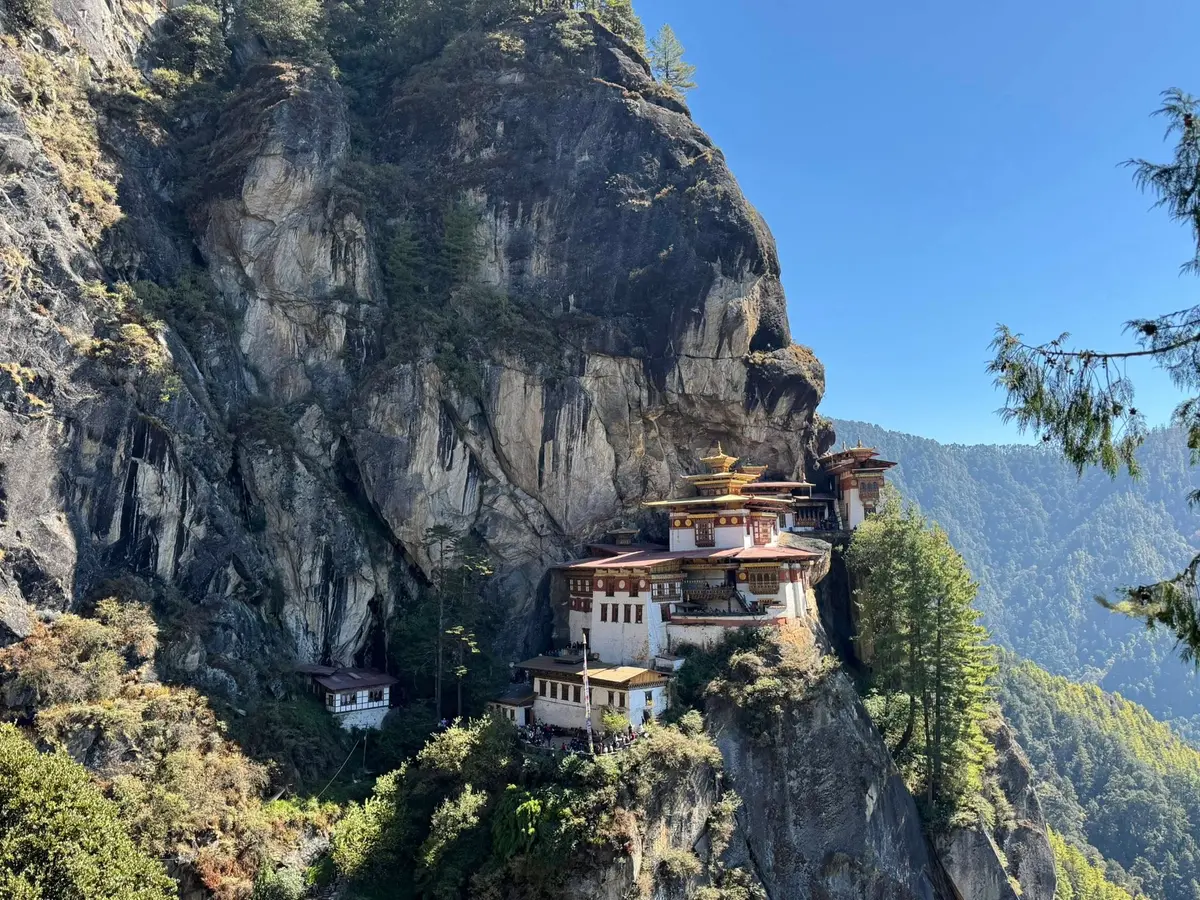
Between those are shorter routes such as Bumdra, Dagala Thousand Lakes and the Laya trek, and long walking routes like the Trans Bhutan Trail, which you can walk in sections from hotels. If you prefer day hikes and a bed every night, see our walking holidays and the Tiger's Nest hike.
How trekking in Bhutan works
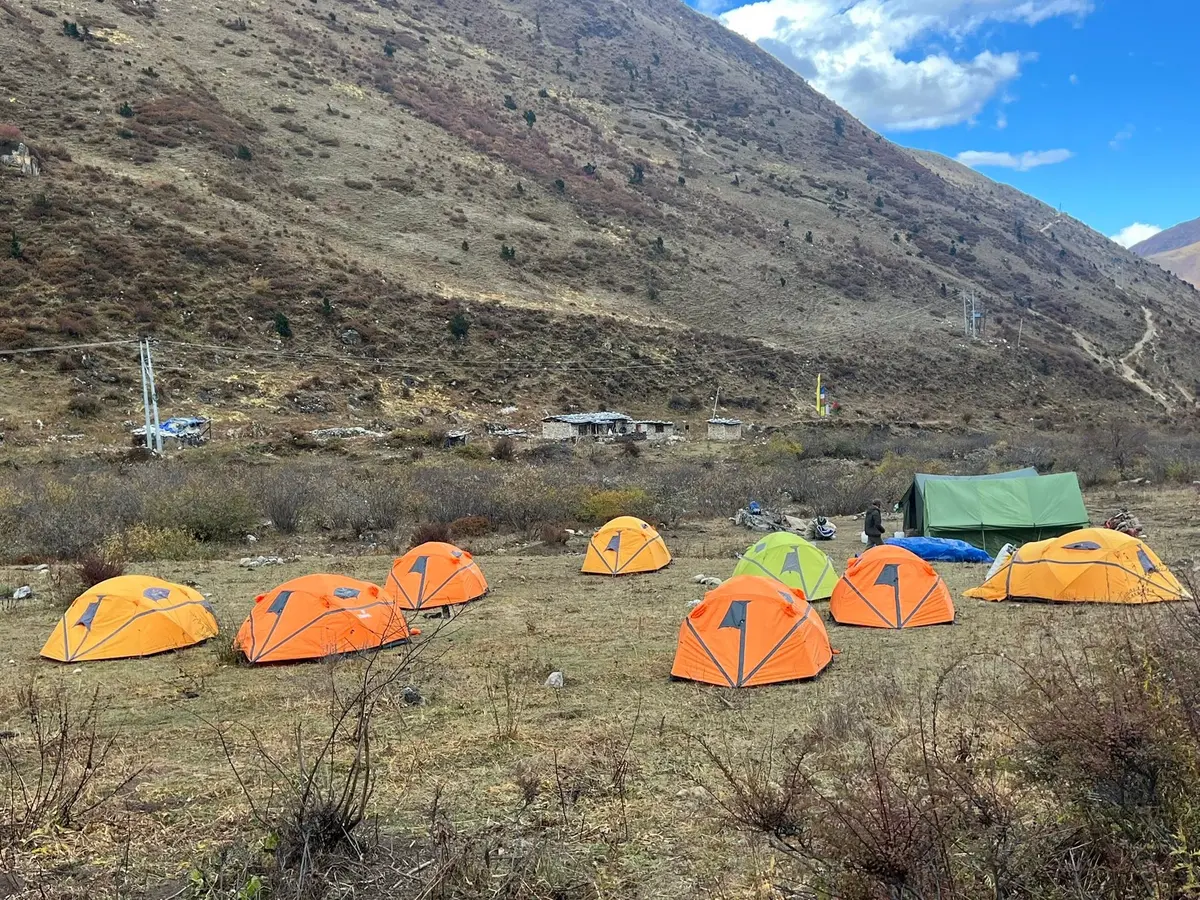
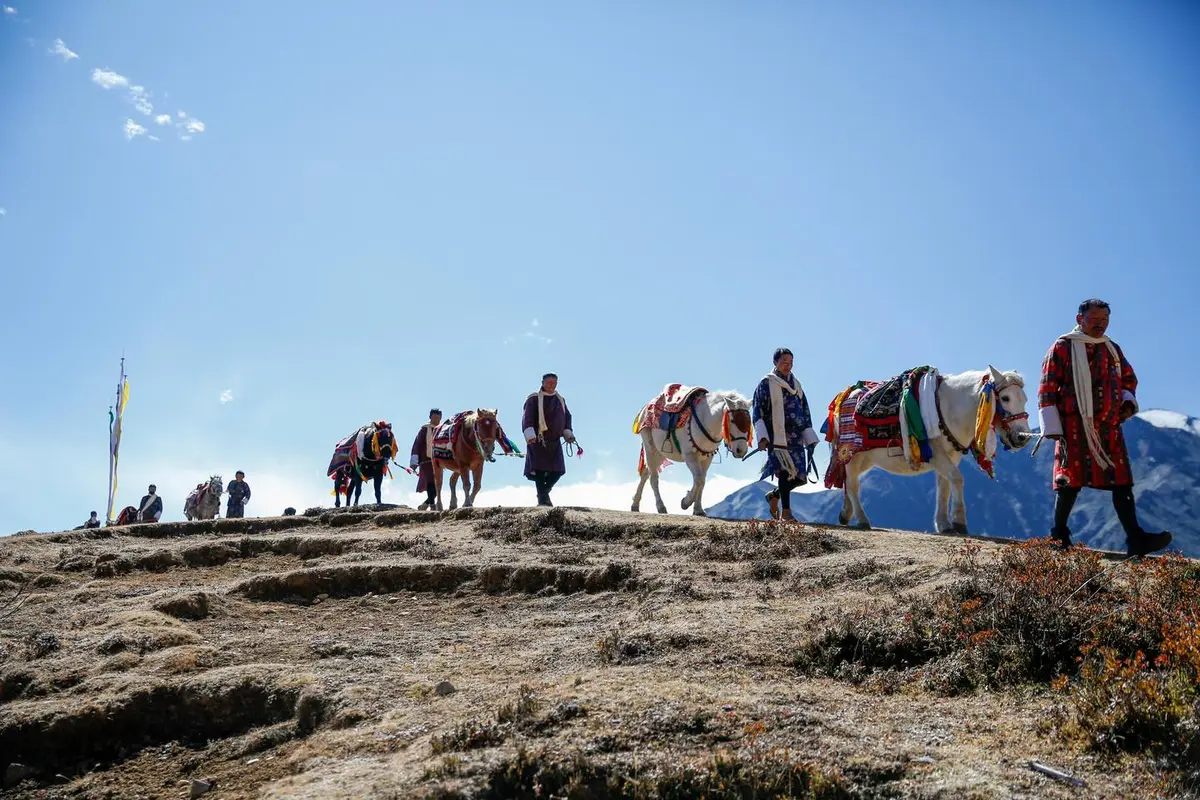
All treks in Bhutan are organised and supported. International visitors must have a licensed guide throughout their stay, and treks are led by a licensed trekking guide. A typical camping trek includes the guide, a cook and kitchen staff, tents and a dining tent, and horses or yaks to carry the luggage, so you walk with a daypack. Our trekking tours also include the hotels before and after the trek, meals, transport, the US$40 visa and the US$100-per-night Sustainable Development Fee. See our adventure and trekking tours for prices.
When to trek
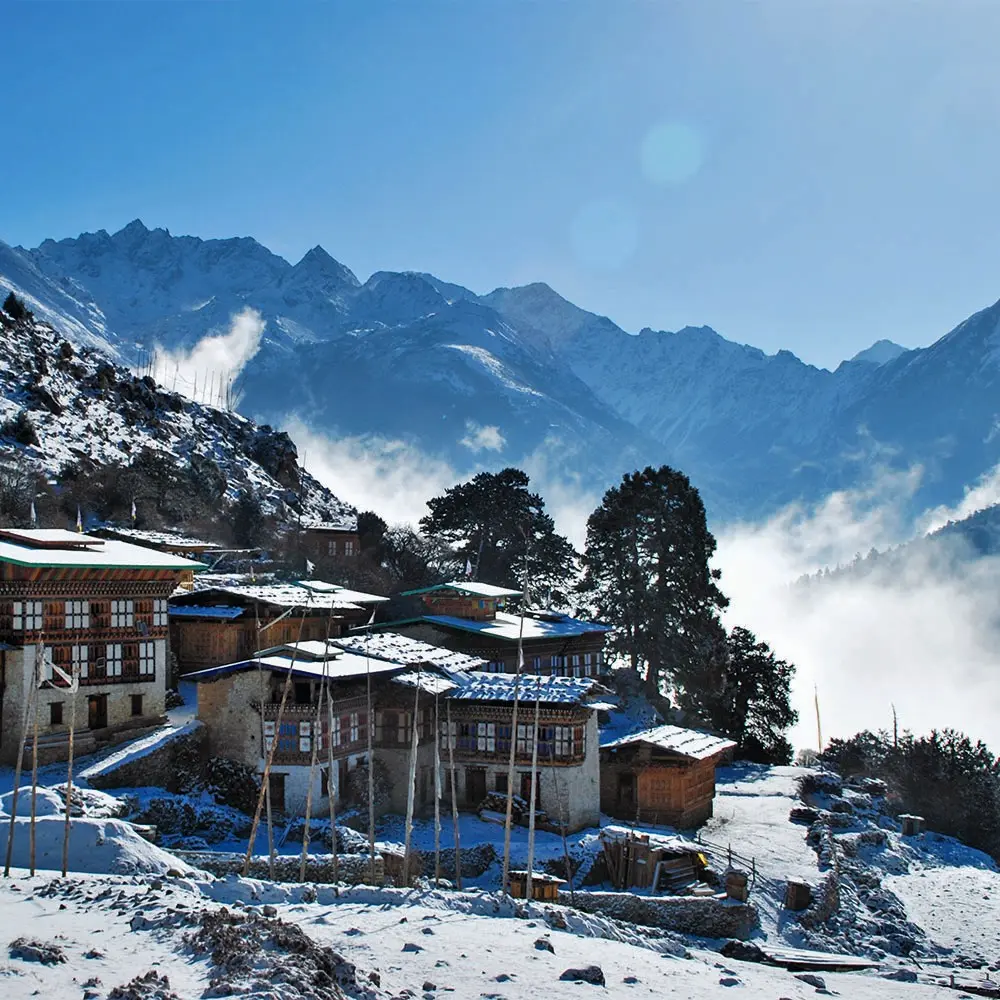
The main trekking season is late September to November, when the monsoon has cleared and the skies are clear. April to early June is the second season, with flowers but more cloud. High routes such as the Snowman and Laya treks are usually only open in the autumn window, and some years in late spring. The monsoon months (June to August) bring rain, mud and leeches on lower trails. Winter (December to February) is too cold and snowy for high treks, though low walks are fine. See our guide to the best time to visit Bhutan.
Fitness and altitude
Most multi-day treks spend nights above 3,500 m, and some cross passes above 5,000 m. Good itineraries start with a few days in the valleys and build in rest days. Your guide will turn back if anyone shows signs of altitude sickness. For training tips, packing lists, permits and a route-by-route comparison, read our complete Bhutan trekking guide.