Hiking to Tiger's Nest: The Complete Guide to Bhutan's Most Iconic Trek
By Tshering Phuntsho · February 10, 2025 · 9 min read
The Legend of Tiger's Nest
Clinging impossibly to a sheer cliff face 3,120 meters (10,240 feet) above the Paro Valley, Taktsang Monastery – known as Tiger's Nest – is Bhutan's most sacred and spectacular site.
Legend says that in the 8th century, Guru Rinpoche (Padmasambhava) flew here from Tibet on the back of a tigress to subdue a demon. He meditated in a cave for three months, emerging to convert the Paro Valley to Buddhism. The monastery was built in 1692 around his meditation cave.
"If you visit Bhutan and don't hike to Tiger's Nest, did you really visit Bhutan?"
The Trek at a Glance
| Detail | Information |
|---|---|
| Distance | 5 km (3.1 miles) round trip |
| Elevation Gain | 900 meters (2,950 feet) |
| Time Required | 4-6 hours round trip |
| Difficulty | Moderate to Challenging |
| Best Time | September-November, March-May |
Before You Go: Essential Preparation
Physical Fitness
The Tiger's Nest hike is the most strenuous activity most Bhutan visitors undertake. You should be able to:
- Walk uphill for 2+ hours continuously
- Handle uneven terrain
- Cope with altitude (the trail reaches 3,120m)
Start preparing 4-6 weeks before your trip with:
- Regular walking or hiking
- Stair climbing
- Light cardio exercise
Acclimatization
Most visitors arrive in Paro (2,200m) from sea level. Don't hike Tiger's Nest on your first day! Spend at least one night acclimatizing in Paro or Thimphu first.
Signs of altitude sickness include:
- Headache
- Nausea
- Shortness of breath
- Dizziness
If you experience these, descend immediately.
The Trail: What to Expect
Stage 1: Parking Area to First Viewpoint (1-1.5 hours)
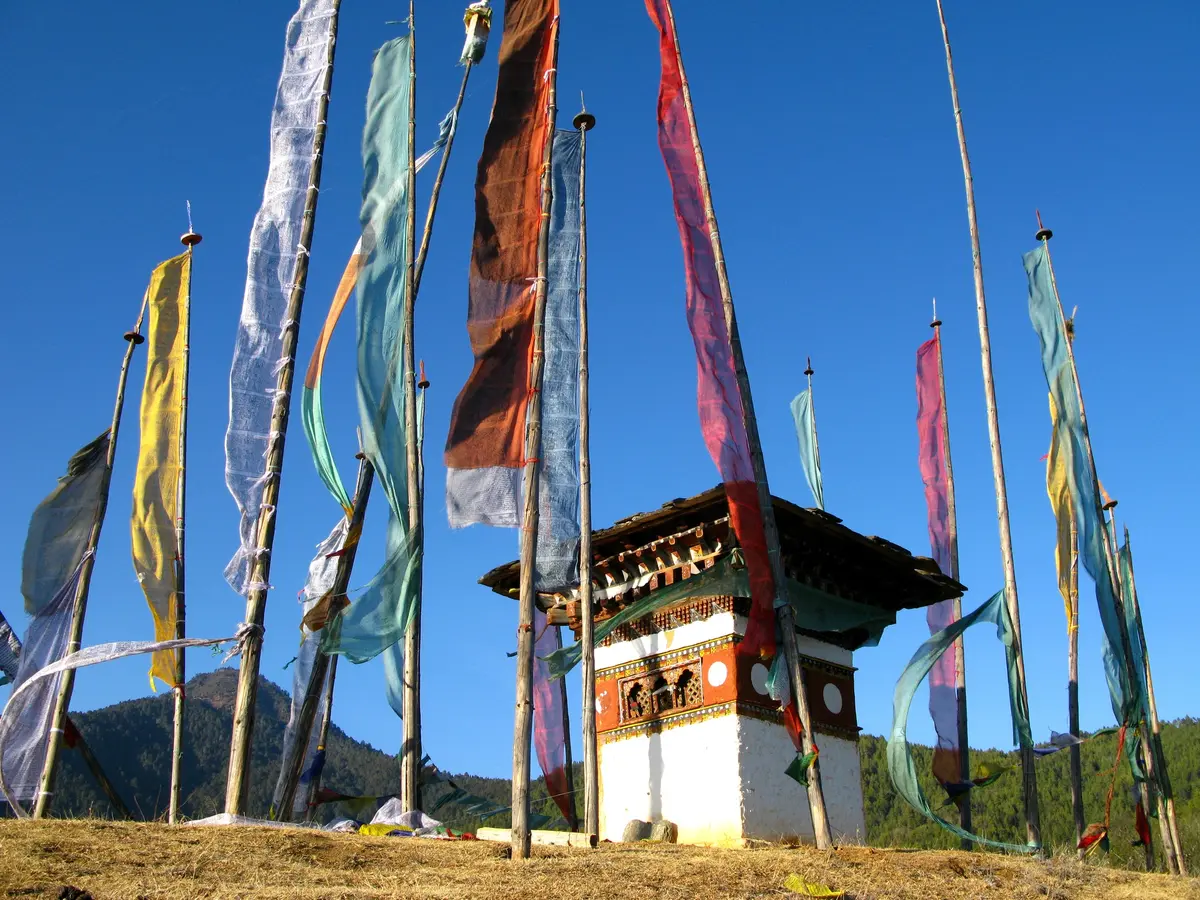
The trail starts gently, winding through blue pine forests filled with prayer flags. After about 45 minutes, you'll reach a clearing with benches and snacks for sale.
The first viewpoint offers your first jaw-dropping glimpse of the monastery clinging to the cliff across the valley.
Options here:
- Continue on foot (recommended)
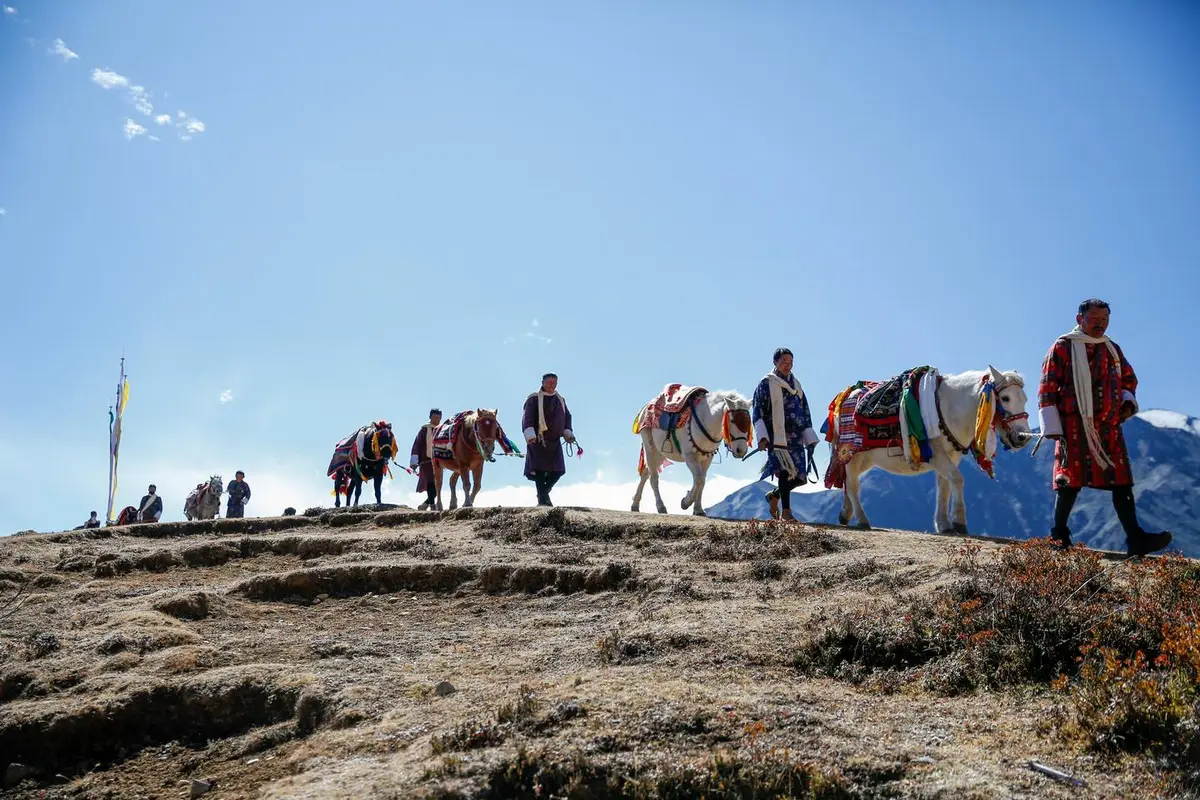
- Rent a horse to the cafeteria (if needed)
Stage 2: First Viewpoint to Cafeteria (30-45 minutes)
The trail steepens considerably. This is the most challenging section for most hikers. You'll climb through pine and rhododendron forests with occasional clearings.
The cafeteria sits at roughly the same elevation as Tiger's Nest, offering:
- Hot tea and coffee
- Simple meals
- Clean restrooms
- Stunning views
Take a proper rest here – you're halfway!
Stage 3: Cafeteria to Tiger's Nest (45 minutes - 1 hour)
This is the most dramatic section. You'll:
- Descend steeply into a valley
- Cross a waterfall on a small bridge
- Climb over 700 steps to the monastery
Pro tip: The descent and re-ascent is tiring. Pace yourself!
Inside the Monastery
Once inside, you'll explore:
- The main temple with sacred images
- Meditation caves including Guru Rinpoche's
- Multiple chapels on different levels
Photography is prohibited inside. Cameras and phones must stay in lockers at the entrance.
Allow 30-45 minutes to explore the monastery properly. Many visitors rush through – don't be one of them.
The Descent
Returning takes 2-3 hours. Your knees will feel the strain of 700+ steps downward. Trekking poles are highly recommended.
What to Bring
Essential Items
- Comfortable hiking shoes – Sturdy, broken-in footwear
- Trekking poles – Especially for the descent
- Water – At least 1.5 liters
- Sunscreen and hat – UV is intense at altitude
- Warm layer – Weather changes quickly
- Rain jacket – Afternoon showers are common
- Snacks – Energy bars, nuts, dried fruit
- Cash – For cafeteria and horse rental
What to Wear
- Long pants – Required for monastery entry
- Covered shoulders – No sleeveless tops
- Layers – Morning can be cool, midday hot
- Comfortable underwear – Seriously, this matters on long hikes!
What NOT to Bring
- Camera/phone bag – You can't bring them inside anyway
- Heavy DSLR cameras – Your phone is usually sufficient
- Too many supplies – Travel light!
Photography Tips
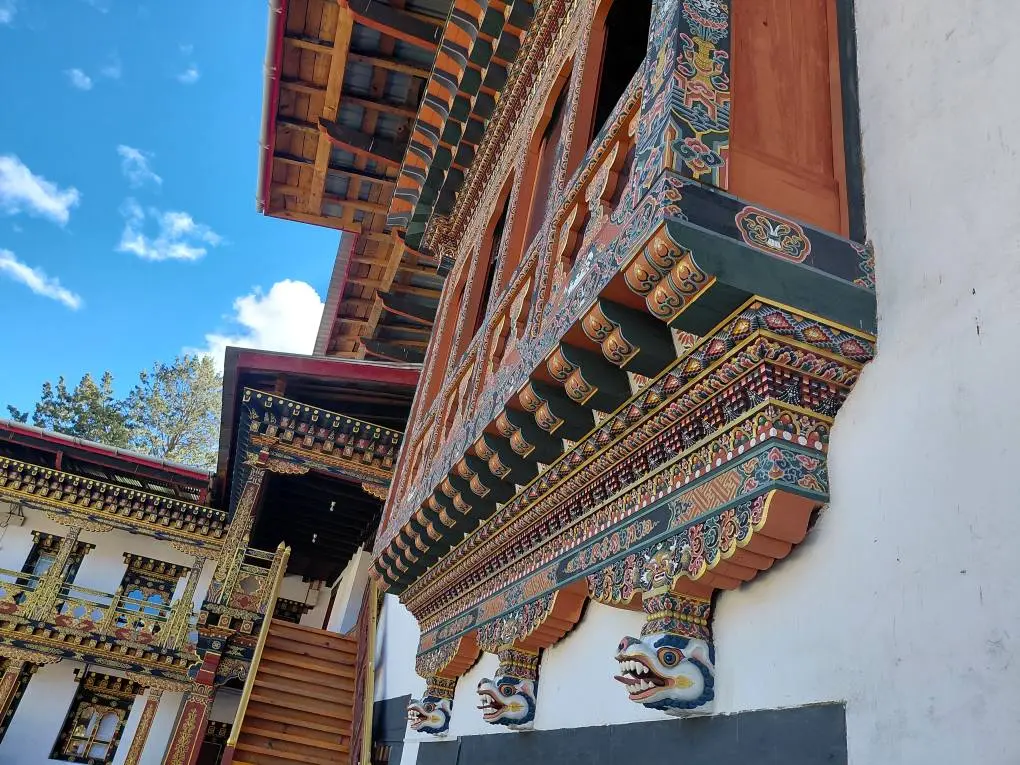
Some of the best photos happen before you reach the monastery:
Best Photo Spots
- First viewpoint – Classic distant shot
- Cafeteria viewpoint – Eye-level with the monastery
- The waterfall bridge – Monastery framed above
- The final approach – Looking up the staircase
Timing
- Early morning – Best light, fewer crowds
- Late afternoon – Golden hour glow
- Avoid midday – Harsh shadows, busy
Technical Tips
- Use portrait mode for iconic shots
- Include prayer flags for color and context
- Photograph the journey, not just the destination
- Capture the surrounding landscape
Best Time to Hike
March - May (Spring)
- Rhododendrons in bloom
- Clear mornings, afternoon clouds
- Comfortable temperatures
- Moderate crowds
September - November (Autumn)
- Crystal-clear visibility
- Comfortable temperatures
- Festival season nearby — an excellent time to combine Tiger's Nest with a Tshechu
- Peak tourist numbers
To Avoid
- June - August – Monsoon rains make trails slippery
- December - February – Cold, possible snow
Tips for Success
1. Start Early
Begin hiking by 7:00-8:00 AM:
- Cooler temperatures
- Fewer crowds
- Better light for photos
- Time for a leisurely pace
2. Pace Yourself
This isn't a race. Stop frequently to:
- Catch your breath
- Drink water
- Enjoy the views
- Take photos
3. Hire a Local Guide
While possible solo, a guide provides:
- Natural history information
- Buddhist context and stories
- Pacing assistance
- Photography help
4. Consider the Horse Option
If fitness is a concern, horses are available to the cafeteria (about $20 each way). No shame in this – it's a real option!
5. Save Energy for the End
The final 700+ steps are brutal when tired. Save some reserves!
After the Hike
In Paro, reward yourself with:
- Hot stone bath – Traditional and therapeutic
- Authentic Bhutanese meal – You've earned those calories
- Foot massage – Your feet will thank you
- Cold beer – Red Panda or Druk lager hit perfectly
Ready to tackle Bhutan's most iconic hike? Start planning your journey and let our expert guides lead you to Tiger's Nest. Also check our full guide to Bhutan's best treks for more Himalayan adventures beyond the Nest.