Bhutan for Solo Female Travelers: Safety, Real Costs & Itineraries for 2026
By Karma Dema · June 27, 2026 · 18 min read
Can Women Travel Solo to Bhutan?
Yes. Absolutely. And more importantly: you should.
If you're a woman considering solo travel to Bhutan, you've likely run into the same cluster of questions. Is it safe? Is it prohibitively expensive to go alone? Can you even be truly independent given the mandatory guide requirement? And underneath all of it: is it worth the investment for a trip you're making by yourself?
Here is the honest answer to each of those questions.
Safety: Bhutan is exceptionally safe — among the very few places on Earth where women consistently report feeling safer than at home.
Cost: Solo travel here carries a real premium, roughly 25–30% more per person than traveling as a couple. This guide gives you the exact numbers and strategies to minimize it.
Independence: The mandatory licensed guide is often framed as a restriction. For solo female travelers, it functions as something else entirely: a personal logistics operator, cultural interpreter, and safety net — on your terms.
Worth it: If you have the budget, the desire, and a week to give this kingdom, Bhutan rewards solo women with experiences that are genuinely harder to access in a group.
Let's go through it in detail.
Safety: The Full Picture
The Short Answer
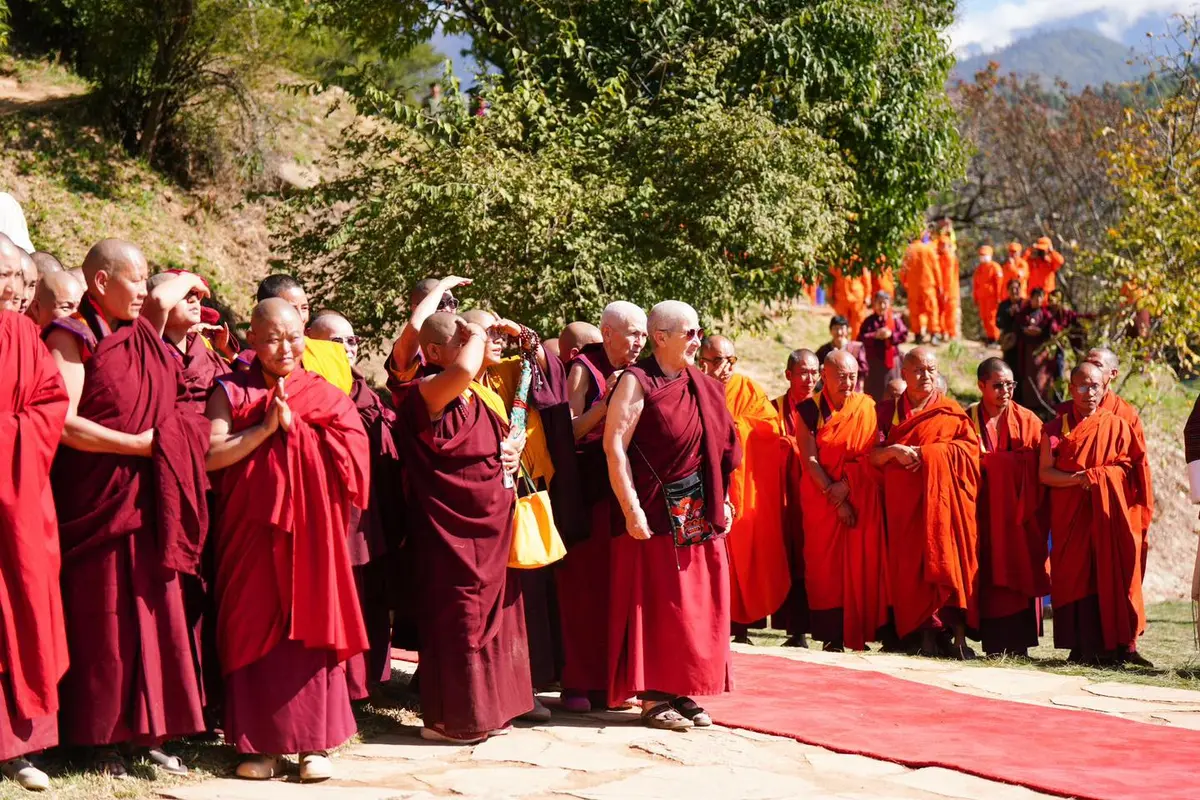
Bhutan consistently ranks among the world's safest countries. Violent crime against tourists is essentially non-existent. Street harassment — the background static of solo female travel in many parts of Asia — is strikingly absent here. Women from across the world report that Bhutan felt safer than almost anywhere else they've traveled.
Why This Is
Several factors converge to make Bhutan unusually safe for women:
Buddhist cultural values. The emphasis on respect, non-aggression, and compassion runs deep. It is not superficial tourism-facing behavior — it shapes how Bhutanese people interact with strangers, including foreign women traveling alone.
Low crime baseline. Bhutan has one of the lowest crime rates in Asia. Petty theft exists in larger towns but is rare. Violent crime against tourists is effectively unrecorded.
The guide structure. Every international tourist travels with a licensed, government-vetted guide. For solo women, this eliminates entire categories of risk that exist in independent travel: navigating unknown neighborhoods, late-night logistics, unwanted attention when you're visibly alone.
Small, navigable towns. Thimphu — the capital — has a population under 200,000. Paro is smaller still. Walking back to your hotel after dinner is not the calculation it is in a major Asian city.
Night safety. Walking alone after dark in Thimphu or Paro is generally comfortable, though the same basic awareness applies anywhere. Streets are quiet, well-used, and locals are helpful if you need directions.
"I felt safer walking through Thimphu at night than I do in my own neighborhood in London." – Sarah, 34, United Kingdom
"The Bhutanese people were genuinely respectful. No catcalling, no uncomfortable stares, no invasion of personal space. I hadn't realized how much mental energy I spend managing that elsewhere until it simply wasn't there." – Yuki, 31, Japan
"I've been to 43 countries solo. Bhutan sits at the top for safety by a significant margin." – Emma, 42, Australia
Solo Hiking Safety
For shorter hikes — Tiger's Nest, day walks, valley routes — your guide accompanies you throughout. The concern about solo wilderness travel simply doesn't apply. For multi-day treks, you'll have a full support crew: guide, assistant guide, cook, and horsemen. You are never alone in the wilderness in the way that creates risk.
The Guide Relationship: What to Expect
Understanding the guide dynamic is the most important thing a solo female traveler can know before arriving.
How It Works
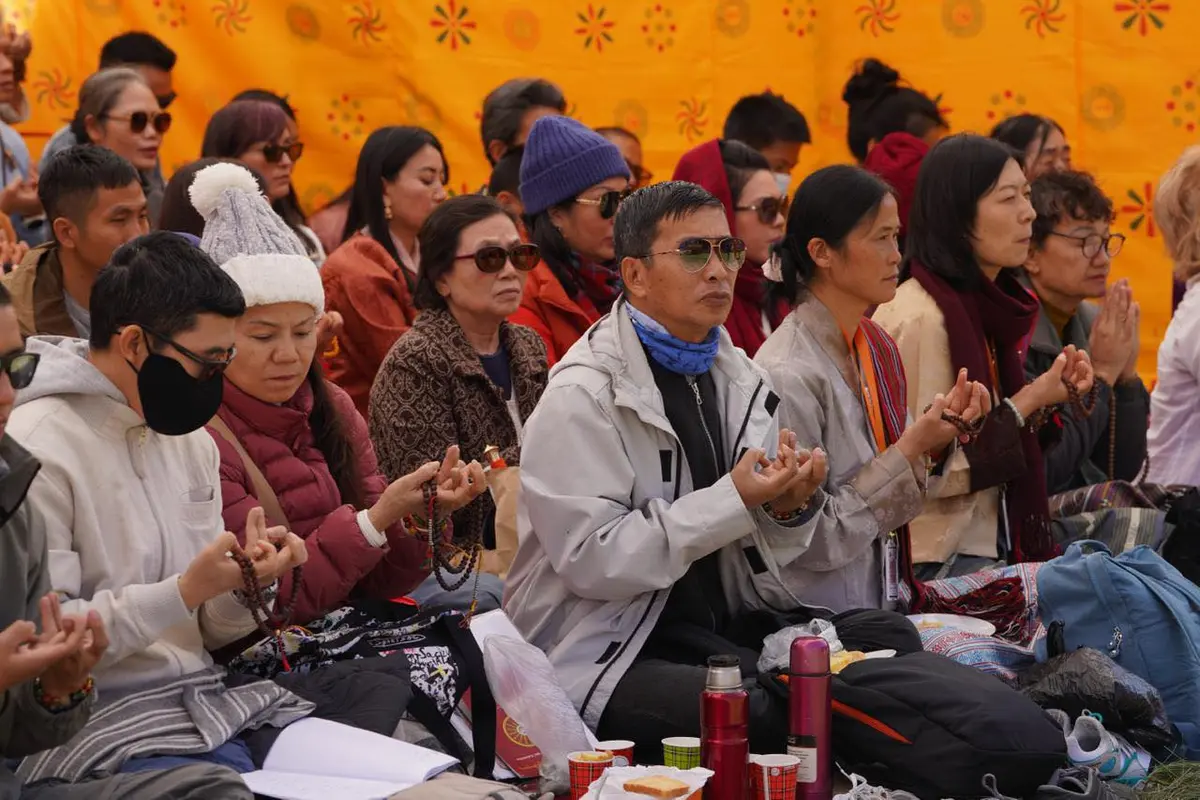
Every international tourist must book through a licensed Bhutanese tour operator. Your package includes a licensed English-speaking guide and a driver with vehicle. They handle all logistics — transfers, permits, accommodation check-ins, restaurant coordination. You direct the agenda; they execute it.
This arrangement is less like being on a guided tour and more like having a knowledgeable local fixer who is professionally accountable to you and to the Tourism Council of Bhutan.
Guide Gender: How to Think About It
You can request a female guide when booking. This is increasingly common, and reputable operators — including Best of Bhutan — have excellent female guides available. As one of Bhutan's few certified female trekking guides, I've accompanied hundreds of solo women, and the question I hear most often is whether guide gender matters.
Consider a female guide if:
- You'd prefer a companion who can easily join women-only cultural spaces
- You want a different lens on Bhutanese women's lives and experiences
- You simply feel more comfortable traveling with another woman
The male guide alternative is equally valid because:
- The pool of highly experienced guides skews male
- Professional boundaries are consistent and clear regardless of gender
- The overwhelming majority of solo female travelers report positive experiences with male guides
The bottom line: request your preference, don't stress if only male guides are available, and know that professional conduct is the baseline expectation, not the exception.
Professional Boundaries
Licensed guides understand the structure of the relationship:
- Separate accommodation always — never shared rooms, ever
- Meals are yours — guides don't join dinner unless you specifically invite them
- Evenings are private — after the day's activities, your time is your own
- You control the pace — want to spend two hours at a temple? Go slowly up the hill? Add an unplanned stop? This is exactly what guides are for
- Privacy on request — if you want space at a sacred site or a lookout, your guide will wait at a respectful distance
If Something Feels Wrong
In the rare event that a guide behaves inappropriately:
- State your discomfort clearly and directly
- Contact your tour operator immediately — they have both the incentive and the authority to respond
- Request a guide change — reputable operators accommodate this without question
- Report to the Tourism Council of Bhutan if needed
This situation is uncommon. Bhutan's tourism industry is small enough that reputation is everything, and guides undergo vetting. But the option exists, the process works, and you should know it before you go.
The Real Costs of Solo Travel to Bhutan
Solo travel to Bhutan costs more per person than traveling as a couple or in a small group. This is the honest reality, and every solo traveler deserves to understand exactly why before budgeting.
Why the Solo Premium Exists
Accommodation. Hotels charge per room, not per person. A double room that a couple splits costs a solo traveler the same amount in full.
Vehicle and guide. The private vehicle and guide cost is fixed regardless of how many people share it. With one traveler, that cost is undivided.
The SDF doesn't change. The Sustainable Development Fee of $100 per person per night is per person — it doesn't increase or decrease based on group size. So the SDF cost is identical whether you travel alone or with ten others.
Realistic Solo Budgets (7 Days, 2026)
Budget-Conscious
| Item | Cost |
|---|---|
| SDF (7 nights × $100) | $700 |
| Visa | $40 |
| Flights (roundtrip from Bangkok) | $650–$800 |
| Accommodation (3-star, single rooms) | $490–$700 |
| Tour package (guide, transport, most meals) | $700–$900 |
| Total | $2,580–$3,140 |
Comfortable Mid-Range
| Item | Cost |
|---|---|
| SDF | $700 |
| Visa | $40 |
| Flights | $900 |
| Accommodation (4-star) | $840–$1,050 |
| Tour package | $900–$1,100 |
| Activities & extras | $200 |
| Total | $3,580–$3,990 |
Luxury
| Item | Cost |
|---|---|
| SDF | $700 |
| Visa | $40 |
| Flights | $1,200 |
| Accommodation (COMO Uma or Amankora) | $3,500–$4,500 |
| Tour package | $1,200 |
| Spa & activities | $500 |
| Total | $7,140–$8,140 |
Solo vs. Couple: The Actual Comparison
| Category | Solo Traveler | Couple (per person) |
|---|---|---|
| SDF (7 nights) | $700 | $700 |
| Accommodation | $700–$1,050 | $350–$525 |
| Tour package | $900 | $600 |
| Flights | $900 | $900 |
| Total | $3,200+ | $2,550+ |
The solo premium is approximately 25–30% per person.
How to Reduce Solo Costs
Join a small group departure. Some operators run scheduled group departures where solo travelers can join other individuals or couples and split vehicle and guide costs. Ask specifically for this option — it's not always advertised.
Find a travel companion beforehand. Bhutan-focused Facebook groups, r/solotravel, and travel forums regularly have solo travelers looking for someone to share costs for a week. The SDF is still per person; everything else gets cheaper.
Travel in the off-season. December through February brings lower hotel rates and more flexibility with operators. The kingdom is quiet and beautiful in winter. See what each season offers.
Book directly with a Bhutanese operator. International booking agencies layer on commissions. Booking through a licensed Bhutanese operator is often 10–20% cheaper for equivalent trips.
Embrace 3-star accommodation. Quality 3-star hotels in Bhutan are clean, comfortable, well-run, and significantly less expensive than 4-star and 5-star options. The country simply doesn't have the infrastructure problems that make budget accommodation risky elsewhere.
Four Itineraries Built for Solo Women
These itineraries are designed around what solo female travelers consistently say they come to Bhutan for: safety, meaningful encounters, time for reflection, and experiences that simply don't happen in a group. Each can be adjusted with your operator.
Itinerary 1: Soul-Searching Sanctuary — 7 Days
For women seeking spiritual depth, introspection, and intentional slowness
Difficulty: Easy | Best season: March–May, September–November
Day 1 — Arrival & Grounding
Arrive in Paro. The descent through the Paro Valley — mountains on both sides, the narrow runway visible only at the last moment — is the beginning of the experience, not just transit to it. Transfer to a quiet boutique hotel. Don't over-schedule your first evening. If your property offers an optional yoga or meditation session, take it. If not, journal and sleep early. The altitude will reward the rest.
Day 2 — Sacred Beginning
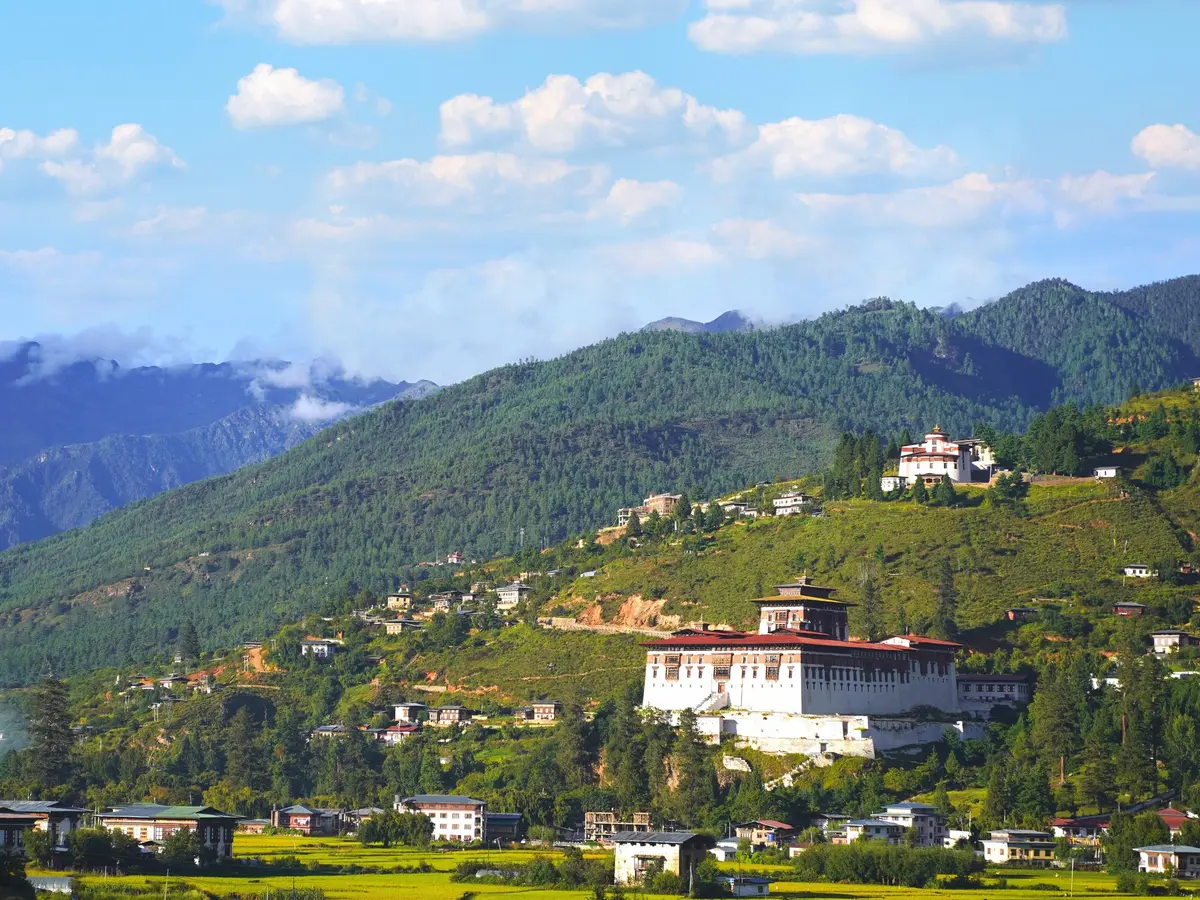
Morning visit to Kyichu Lhakhang, one of Bhutan's oldest temples — built in the 7th century, compact and intimate in a way the larger dzongs are not. Request a private blessing if this speaks to you; your guide can arrange it. Afternoon free for the hotel spa or gentle exploration of Paro town. At dusk, walk to the Rinpung Dzong viewpoint and watch the light leave the valley.
Day 3 — Tiger's Nest Pilgrimage
An early start for the Taktsang hike. Ask your guide to let you approach the monastery at your own pace — many guides understand that this place is more pilgrimage than sightseeing, and will give you space inside while waiting at a respectful distance. Return to Paro for a traditional hot stone bath. Evening for journaling.
Day 4 — Transfer to Thimphu
Drive to the capital through Bhutan's agricultural heartland. In Thimphu, visit Drubthob Goemba, a nunnery on a hillside above the city. If timing is right, you may meet nuns willing to talk about their lives. Evening at leisure in the capital — the weekend market, if it's operating, is worth an hour.
Day 5 — Punakha Valley
Drive to Punakha via the Dochula Pass, where 108 memorial chortens stand in rows on a ridge with Himalayan views on clear mornings. Visit Chimi Lhakhang — the fertility temple is often dismissed as a novelty, but its riverside walk and the atmosphere of the village around it are genuinely lovely. Spend time at Punakha Dzong at the confluence of two rivers. This is the most beautiful dzong in Bhutan, and worth an unhurried hour.
Day 6 — Return to Paro
Drive back with stops of your choosing. Final evening in Paro — dinner at a local restaurant rather than the hotel restaurant if possible.
Day 7 — Departure
Morning at leisure. Airport transfer.
Solo tip: Build explicit "solo time" into the daily agenda when briefing your guide. "I'd like 45 minutes alone at this site" is a completely normal request and guides accommodate it readily.
Itinerary 2: Adventure Seeker — 10 Days
For active women who want to test themselves physically and feel the wilderness
Difficulty: Moderate to Challenging | Best season: October–November, April–May
Days 1–2 — Paro Arrival & Preparation
Acclimatize with day walks and the Tiger's Nest hike on day two. Check your gear. Brief your guide on your fitness level and what you want from the trek.
Days 3–5 — Druk Path Trek
A three-day trek from Paro to Thimphu crossing 4,200m passes, camping beside high-altitude lakes, with Himalayan peaks visible on clear mornings. Your support crew — guide, assistant, cook, horsemen — handles all logistics. The crew is typically male but maintains professional distance and privacy. Toilet arrangements on trek are private and gender-appropriate; discuss specifics with your operator during booking.
This route is genuinely challenging and genuinely beautiful. It is achievable for any fit hiker who trains beforehand.
Day 6 — Thimphu Recovery
Rest day. Massage or spa. City exploration at whatever pace you choose. Sleep.
Days 7–8 — Punakha
Punakha Dzong. An optional half-day of white-water rafting on the Mo Chhu river if the season allows. The suspension bridge over the river is one of Bhutan's more quietly spectacular spots.
Day 9 — Return to Paro
Final sightseeing. Dinner that counts as a celebration.
Day 10 — Departure
Itinerary 3: Cultural Immersion — 9 Days
For women who want to understand Bhutan through its people, crafts, and women's lives
Difficulty: Easy | Best season: Year-round
Day 1 — Arrival Paro
Arrive and settle in. If possible, arrange a homestay dinner with a local family for the evening — your operator can facilitate this. It's a different entry point than a hotel restaurant.
Day 2 — Women's Stories of Paro
Morning with a female weaver in her home workshop — a hands-on weaving lesson is available through most operators and runs 2–3 hours. These are not tourist performances; you're sitting with a woman in her working space. Afternoon hike to Tiger's Nest.
Day 3 — Thimphu: Crafts and Commerce
Visit a women's cooperative. The National Textile Museum. A traditional paper-making demonstration — daphne bark paper is a Bhutanese craft predominantly practiced by women and still produced by hand. The weekend market if timing aligns.
Day 4 — Thimphu: The Nunnery
Morning visit to Drubthob Goemba. Conversations with nuns — if you ask your guide to facilitate introductions rather than just walk through, this becomes a genuinely different experience. Afternoon for the city on your own terms.
Day 5 — Punakha
Transfer via Dochula Pass. Punakha Dzong. Evening with a local family in the valley for dinner.
Day 6 — Phobjikha Valley
A remote, bowl-shaped valley that feels set apart from the rest of the country. Visit the local school if your operator can arrange it (possible with advance notice). Black-necked crane watching if you're traveling between November and February. Comfortable local lodge accommodation.
Day 7 — Return to Paro via Alternate Route
Morning walk in the valley. Drive back through landscape you haven't seen yet.
Day 8 — Paro: Cooking and Craft
A cooking class focused on ema datshi — Bhutan's national dish of chilies and cheese — and whatever else interests you. Afternoon for craft shopping; Paro has the best selection of genuine textiles outside of Thimphu. Final evening dinner.
Day 9 — Departure
Solo tip: Cultural immersion itineraries often yield richer local interaction for solo women than for couples or groups. You're easier to approach, easier to have a genuine conversation with, and local women especially are often more curious and open with a solo female traveler than they might be with a group.
Itinerary 4: Luxury Solo Retreat — 5 Days
For women who want to treat themselves properly and have the budget to do it
Difficulty: Easy | Best season: March–May, September–November
Day 1 — Arrival at COMO Uma Paro
Private transfer from the airport. Spa treatment on arrival. Room service dinner if you want a quiet first night. Luxury hotels in Bhutan are extremely comfortable for solo guests — staff are accustomed to single travelers and the service model makes solitude feel intentional rather than lonely.
Day 2 — Tiger's Nest and Spa
Morning hike. Return to the property for an afternoon spa session. Sunset cocktails on the terrace, alone, with the valley below you. This is entirely normal and entirely worth doing.
Day 3 — Transfer to COMO Uma Punakha
Scenic drive through the highlands. Afternoon by the pool or on a riverside walk. Private dinner arranged by the property if you prefer it.
Day 4 — Punakha
Dzong visit. Valley walks in the subtropical warmth — Punakha sits at lower elevation than Paro and has a completely different feel. Golden hour photography from the footbridge above the confluence. Spa treatment in the evening.
Day 5 — Departure
Return to Paro airport.
Cultural Considerations for Women
Dress Code
Bhutan is relaxed by the standards of the broader region but more conservative than most Western travelers' defaults.
At temples and dzongs:
- Cover shoulders — t-shirts are fine, sleeveless is not
- Wear pants or a skirt below the knee
- Bring a scarf or wrap; it doubles as a temple cover-up and a layer for cold mornings
- Remove shoes where indicated (temple interiors)
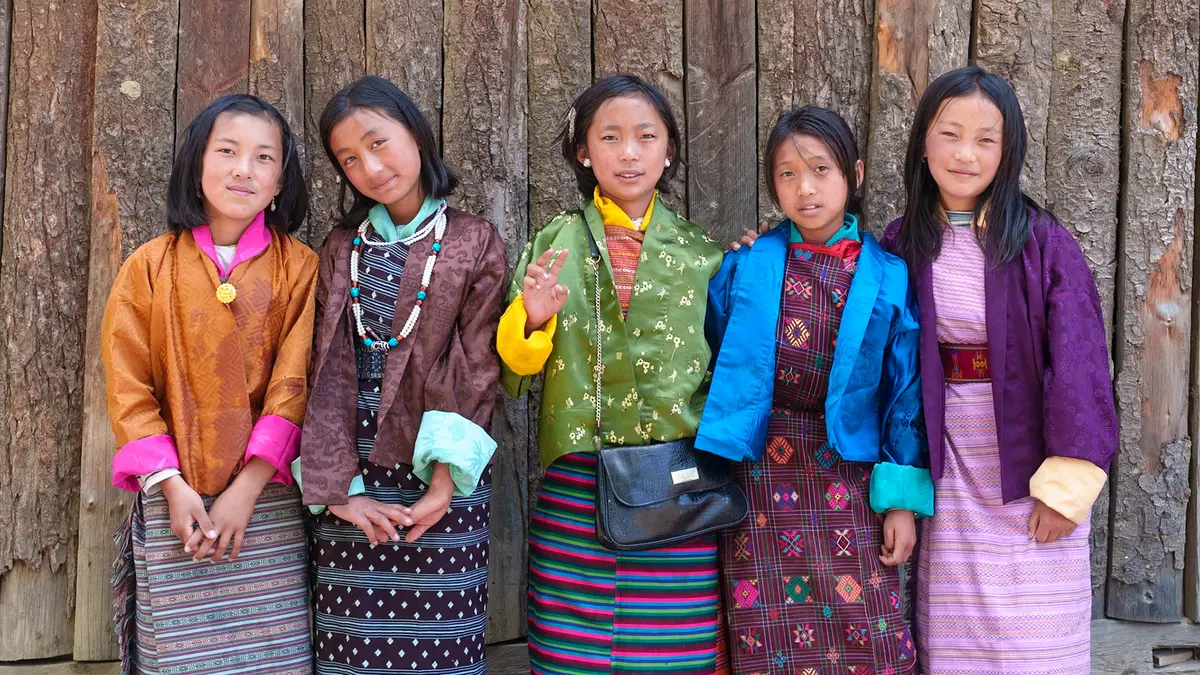
In towns and general travel: Regular modest travel clothing is perfectly appropriate. You do not need to buy or wear Bhutanese dress — though the kira (women's traditional dress) is beautiful and available for a day if you want to try it.
Interacting with Monks
Monks are celibate and some maintain physical distance from women as part of their practice. This is religious observance, not rudeness. Don't touch monks or their robes, maintain a respectful distance, and ask before photographing. A monk who is reserved with you is being respectful, not dismissive.
Menstruation
In traditional Bhutanese culture, menstruation is observed as a time when women don't enter certain sacred spaces. In practice, this is rarely enforced for tourists and most temples are open to all women. A small number of highly sacred sites may have specific guidelines — your guide will know and will tell you in advance. Pack your own sanitary products; they're available in towns but the selection is limited.
Questions About Your Personal Life
Bhutanese people — guides, hotel staff, locals at markets — may ask if you're married, whether you have children, or why you're traveling alone. This is genuine curiosity, not judgment. The questions come from a culture where these life stages are assumed to be universal, not from any disapproval of your choices.
You can answer honestly, deflect politely ("I like traveling alone to see new places"), or offer a simpler version of the truth. Any of these land fine. Bhutanese women are increasingly educated and independent; you'll often find them genuinely interested in your solo travel and supportive of it.
Practical Tips for Solo Women
Packing
Clothing essentials:
- Comfortable walking shoes (trail runners or light hiking boots)
- Layers — mornings are cold, midday can be warm even at altitude
- One scarf/wrap that works for temples and cold evenings
- One nicer outfit if you're eating somewhere good or at a festival
Health and hygiene:
- Personal menstrual products
- Any prescription medications plus extras
- Altitude sickness medication — discuss with your doctor before travel; most of Bhutan is 2,000–3,500m
- High-SPF sunscreen (mountain UV is intense)
- Digestive aids — Bhutanese food is genuinely spicy
Solo-specific:
- Journal — you will have evenings and moments that are worth capturing
- Kindle or book — Bhutan goes quiet after dark
- Power bank — charging can be inconsistent in smaller properties
- Earplugs — thin walls in mid-range hotels are common
Connectivity
Get a local SIM card at Paro airport on arrival (Bhutan Telecom or TashiCell). Data packages are affordable. WhatsApp works well for staying in contact with home. Share your daily itinerary with someone before you go — not because Bhutan is dangerous but because it's good practice anywhere.
WiFi is available in most hotels; quality varies. Don't assume reliable connectivity for video calls in remote areas.
Solo Dining
Eating alone has its own rhythm. In Bhutan:
- Bring a book or journal and treat the meal as yours
- Sit at smaller tables rather than large communal ones
- Hotel restaurants are comfortable for solo diners and staff are practiced at making single guests feel at ease
- Your guide can join you for meals if you'd like company — simply ask
Evenings
Bhutan is quiet after dark. This is part of the point. What to do with evenings:
- Hotel spa — most properties have one
- Reading by a fire (many lodges have lobbies with fires in the evenings)
- Journaling
- Stargazing — light pollution is minimal outside of Thimphu
- Early sleep — you're at altitude, you'll be more active than usual, rest serves you
Loneliness
Be honest with yourself: solo travel sometimes feels lonely, and that feeling is more acute in a place this beautiful. Mitigation strategies that actually work:
- Talk to your guide — most are genuinely interesting, know an enormous amount, and enjoy good conversation
- Schedule video calls with home during reliable WiFi windows
- Join informal group activities (cooking class, archery demonstration) where other travelers may be present
- Stay at larger properties in Paro or Thimphu where solo travelers occasionally connect informally
- Let yourself sit with the solitude — Bhutan is one of the few places where it shifts from uncomfortable to something closer to clarity
Frequently Asked Questions
Can I request a female guide?
Yes. Most operators can accommodate this with advance notice. There's typically no additional cost, though the pool of available female guides is smaller — give your operator as much lead time as possible.
Will I feel awkward traveling alone?
Initially, perhaps. But Bhutan's structured tourism means you're never truly alone, and the experience is immersive enough that the self-consciousness fades quickly. Many solo female travelers describe Bhutan as the trip where that feeling stopped bothering them entirely.
What if I don't like my guide?
Contact your operator and request a change. This is uncommon but standard practice when it happens. A good operator will accommodate without question.
Are there other solo women I can meet?
Possibly. Ask your operator if other solo travelers are visiting during your dates — some will facilitate introductions. In Thimphu and Paro, hotels occasionally have multiple solo travelers who connect informally over dinner.
Can I extend my trip spontaneously?
Extensions require operator coordination and SDF pre-payment. Allow 24–48 hours and it's usually possible; don't assume same-day changes are feasible.
Is altitude a serious concern?
Most of Bhutan sits between 2,000 and 3,500m — moderate altitude rather than high altitude. Acclimatize gradually, stay hydrated, and avoid alcohol on arrival day. If you have altitude sensitivities, discuss with your doctor before travel. Tiger's Nest tops out around 3,120m, which most healthy travelers handle without difficulty.
Can I go off alone without my guide?
Short walks in town — yes. Substantive excursions, hikes, or anything that constitutes your day's itinerary — your guide accompanies you. This is both regulation and what you're paying for. Work with it rather than against it.
What about romantic encounters?
Bhutan is conservative and the tourism experience is not structured around this. Guides maintain professional boundaries. Solo women consistently report that this is a place where they are treated as a traveler, not as a target.
Stories from Solo Women Who've Been
"As an Indian woman traveling alone, I sometimes face friction in South Asian countries. Bhutan was different. The respect felt genuine rather than performed. My guide treated me like a client he was accountable to, and local women were so curious about my solo journey that it sparked some of the best conversations of the trip." – Priya, 29, India
"I was hesitant about the solo cost. In the end, my operator matched me with two other solo women on a joint departure. We split vehicle costs and found ourselves planning a reunion trip before we'd even landed home." – Rachel, 37, Canada
"My guide waited at a respectful distance while I sat alone inside Tiger's Nest for nearly thirty minutes. Looking out at the valley from that cave, with no one speaking to me, no one photographing me, nothing to manage — it was the quietest I've felt in years. That moment was worth the airfare." – Mei, 45, Singapore
"I've been to 60 countries. Bhutan is the safest I've felt anywhere. Walking back to my hotel alone in Thimphu at 10pm, I realized I hadn't thought once about safety all day. I hadn't done that in a very long time." – Anna, 52, Germany
Is Bhutan Worth It for Solo Women?
Here is the honest assessment.
It's expensive. More so traveling alone than with a partner. Budget $3,000–$8,000 for a meaningful trip depending on your style and length. This is real money and you deserve to know it upfront.
It's safe. Exceptionally so — among the very safest destinations in the world for solo female travelers, for reasons that are structural and cultural, not just statistically favorable.
It's structured. The mandatory guide means less spontaneity than truly independent travel. In exchange, you get security, cultural access, and an experience that goes significantly deeper than surface tourism.
It's transformative. Solo travelers frequently describe Bhutan as a turning-point trip. The combination of Buddhist philosophy woven into daily life, the natural beauty that hasn't been commodified, the enforced disconnection from normal rhythm — it creates space that is hard to find elsewhere. Many solo women come for the scenery and leave thinking about something else entirely.
The kingdom awaits. Tashi Delek.
Ready to plan your solo journey to Bhutan? Contact our team to discuss dates, itineraries, and how to get the most from your solo trip. Or explore our full cost breakdown, the best time to visit, and what the SDF actually covers before you decide.