Why Bhutan Isn't in the Top 10 'Happiest Countries' (But Remains the Happiest in Its Own Right)
By Best Bhutan Tours Editorial Team · March 20, 2026 · 8 min read
Every year, when the World Happiness Report is published, the top spots are predictably dominated by Nordic countries like Finland, Denmark, and Iceland. But for many travelers and philosophy enthusiasts, a glaring question arises:
Where is Bhutan?
How can the nation that famously invented the concept of Gross National Happiness (GNH)—a country that literally constitutionally mandates the wellbeing of its citizens over economic output—fail to crack the top 10 list of the world's happiest countries?
The answer is a fascinating study in cultural differences, the limitations of Western metrics, and why Bhutan's unique brand of joy remains entirely in its own league.
The Flaw in the Metric: How the World Measures Happiness
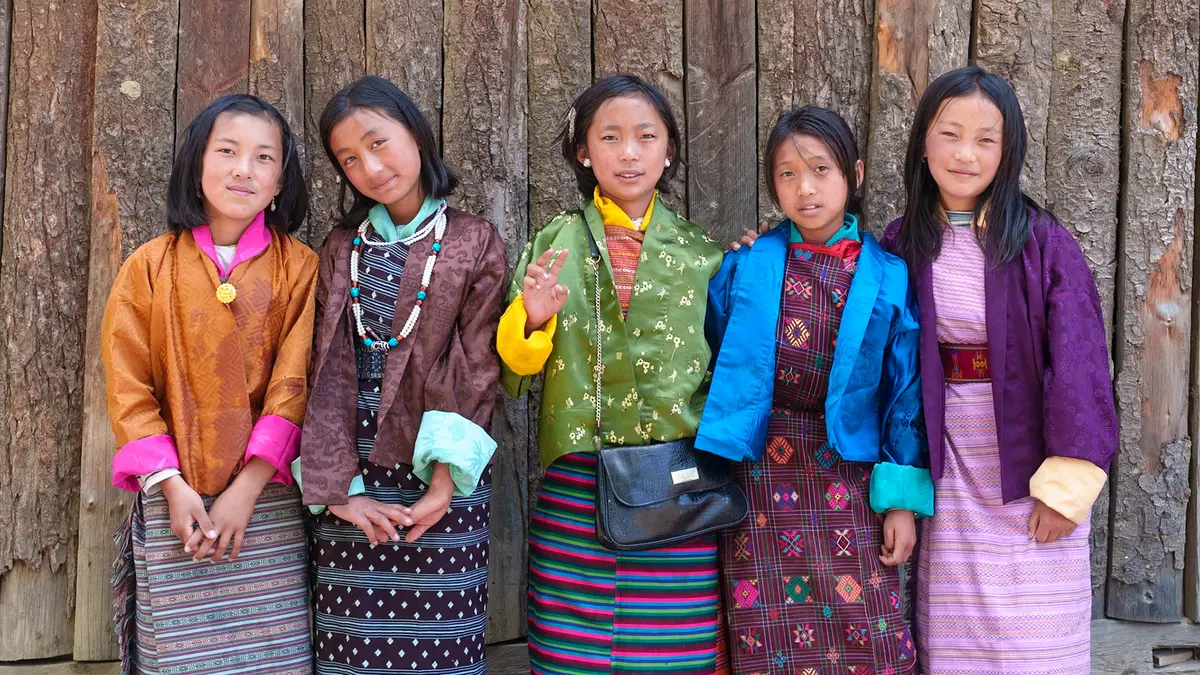
To understand the paradox, we first have to look at how global happiness is measured. The World Happiness Report, published by the UN Sustainable Development Solutions Network, relies heavily on the Gallup World Poll. This poll evaluates happiness based on six key variables:
- GDP per capita (Income)
- Social support (Having someone to count on)
- Healthy life expectancy
- Freedom to make life choices
- Generosity
- Perceptions of corruption
While these are undeniably important factors for a stable society, they inherently skew toward highly developed, wealthy, industrialized Western nations. GDP per capita is a massive driver of the index.
Bhutan is a rapidly developing, but still agrarian-based economy in the Himalayas. If a nation’s "happiness score" is heavily weighted by its financial wealth, a developing nation like Bhutan will always be mathematically penalized in the rankings, regardless of the actual day-to-day joy experienced by its people.
Defining Joy: Western Comfort vs. Eastern Contentment
The core discrepancy lies in the very definition of happiness. Western metrics often conflate happiness with comfort, convenience, and material security.
In contrast, the Bhutanese concept of happiness—deeply rooted in Vajrayana Buddhism—is centered around contentment, spiritual balance, and community. It is not about a constant state of euphoria or the accumulation of wealth. It is about harmony with oneself, one's neighbors, and nature.
As Karma Ura, the President of the Centre for Bhutan Studies, once noted: "You can be deeply happy even in the presence of hardship, provided there is a sense of meaning and community."
1. Connection to Nature over Urban Sprawl
While top-ranking countries boast phenomenal urban infrastructure, Bhutan boasts something different: profound environmental stewardship. Bhutan is not merely carbon-neutral; it is the first carbon-negative country in the world. The constitution mandates that at least 60% of the country must remain forested for all time (it currently sits at over 70%).
For the Bhutanese, happiness is deeply tied to the land. The pristine air, the untouched mountains, and the deep reverence for all living things create an atmospheric peace that a spreadsheet simply cannot quantify.
2. Slow Living and Community
Step into Paro or Bumthang, and you will immediately notice the pace of life. There are no traffic lights in Bhutan (even in the capital, Thimphu, traffic is directed by a dancing policeman).
People have time. Time to sit with elders, time to partake in vibrant, days-long Tshechu festivals, and time to simply be. The World Happiness Report measures "social support," but it struggles to quantify the deep, unbreakable multi-generational bonds of a traditional Bhutanese village.
The Reality of Gross National Happiness (GNH)
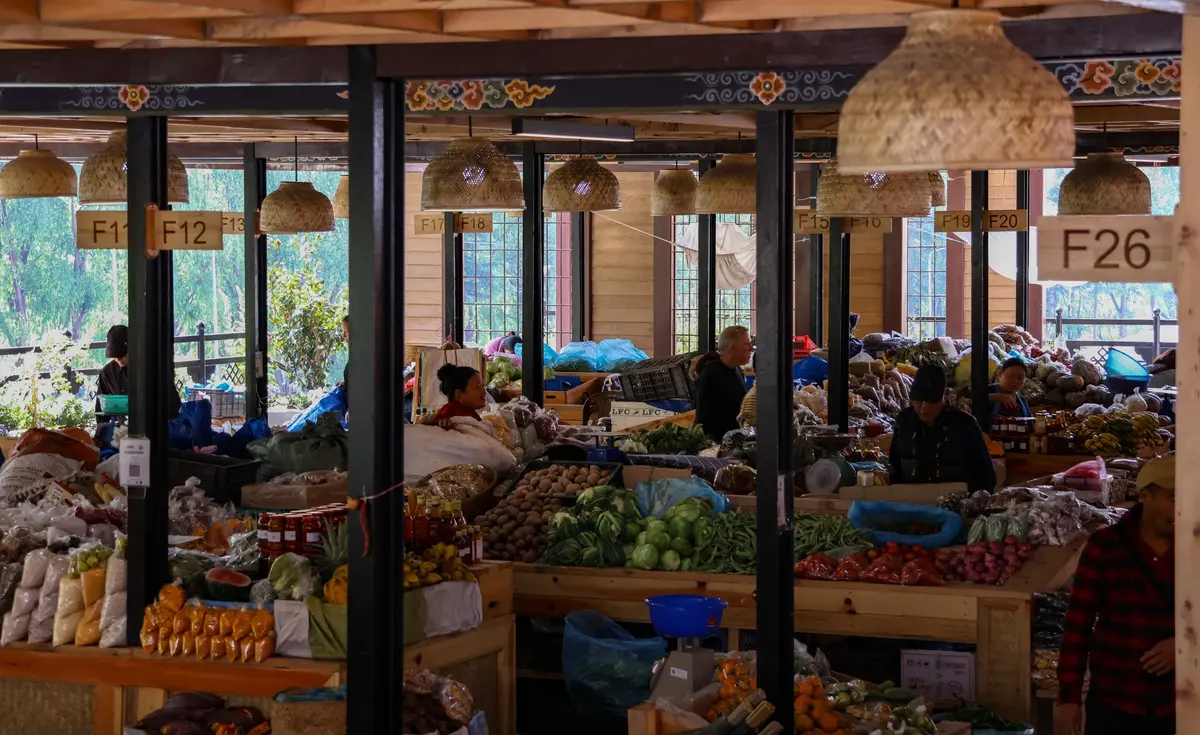
Bhutan's exclusion from the UN’s top 10 does not mean the country has abandoned its GNH philosophy. In fact, GNH is a highly sophisticated, data-driven framework with nine distinct domains, including Psychological Wellbeing, Time Use, Community Vitality, and Ecological Resilience.
When Bhutan measures its own happiness using its culturally relevant GNH Index, the results paint a picture of a nation steadily improving its quality of life while fiercely guarding its soul.
Bhutan uses GNH as a compass, not a competition. It is a policy tool to ensure that as the country modernizes—bringing in internet, better healthcare, and education—it does not lose its cultural identity in the relentless pursuit of westernized capitalism.
"High Value, Low Volume": Protecting the Magic
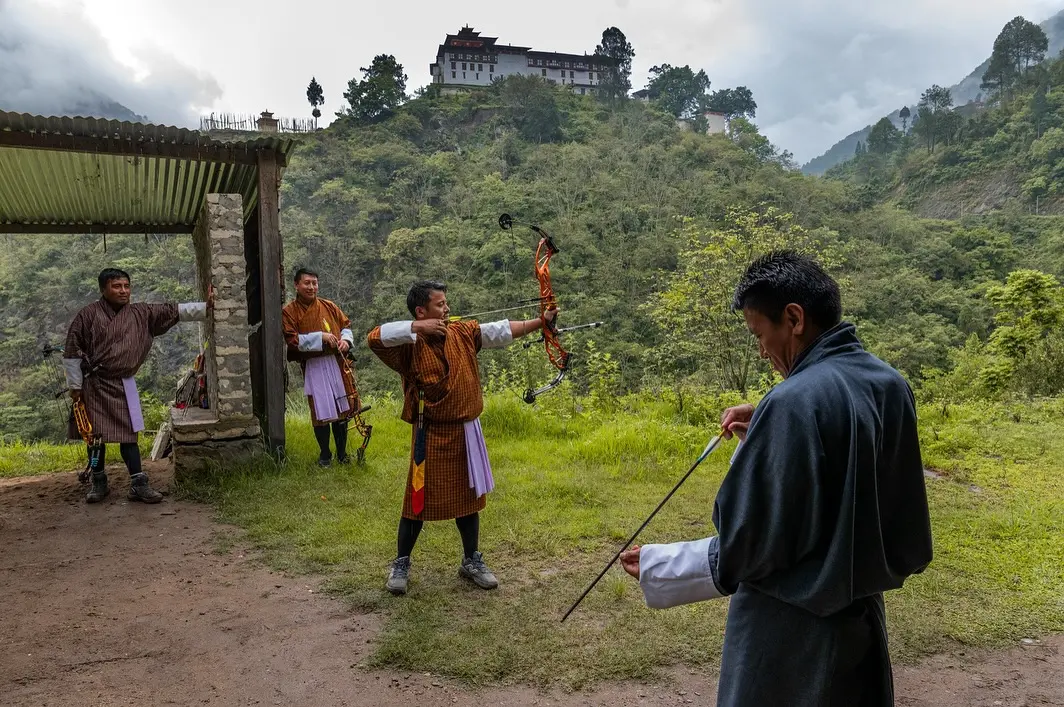
So, how does a country protect this fragile, unique ecosystem of contentment? Through intentional, mindful policies like the Sustainable Development Fee (SDF).
Bhutan charges a daily tariff to international visitors. While this makes it an exclusive destination, it is a brilliant mechanism. The SDF ensures that tourism does not erode the local culture or environment, as has happened in so many other global hotspots. More importantly, those funds are funneled directly back into free healthcare, free education, and conservation for the Bhutanese people.
By visiting Bhutan, you aren't just a tourist; you become an active contributor to the nation's welfare.
Conclusion: A Different Kind of Happy
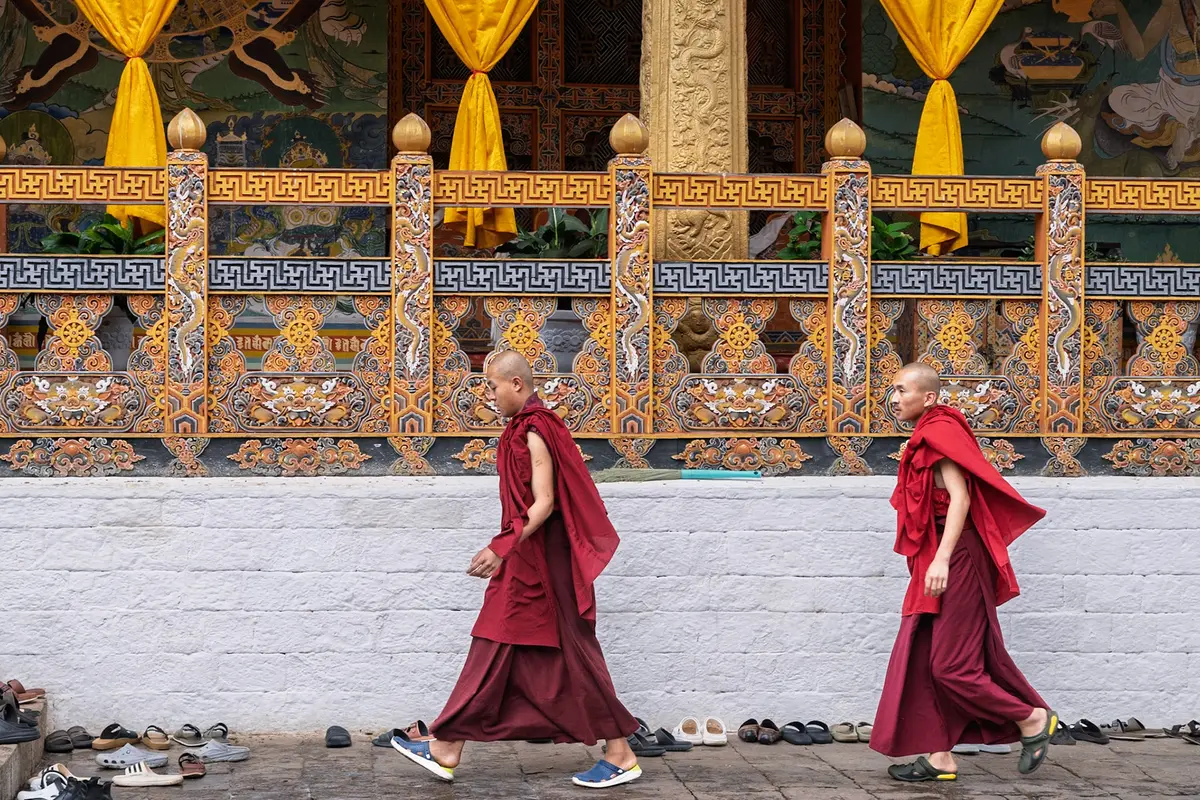
If you are looking for 24/7 convenience, mega-malls, and relentless efficiency, Bhutan might not meet a Western definition of "perfect."
But if you define happiness as breathable air, ancient wisdom, communities that care for one another, and a society that values the earth as much as the economy, then Bhutan stands entirely in a league of its own. It doesn't need to be in the top 10 of a global index to be the happiest place on earth. It just needs to be Bhutan.