Bhutan Luxury Travel Guide 2026: Tours, Costs & How to See the Kingdom in Style
By Dorji Wangchuk · July 12, 2026 · 20 min read
There is a category error most luxury travellers make about Bhutan, and correcting it is the single most useful thing this guide can do: Bhutan is not a destination where luxury buys you access to the good stuff. The good stuff — cliff-hung monasteries, glacial valleys, festivals that have run unbroken for four centuries — is available to every visitor, because the kingdom's "high value, low volume" policy already does what velvet ropes do elsewhere. The Sustainable Development Fee keeps visitor numbers to a fraction of Nepal's; there is no queue that money jumps, because there is barely a queue.
What luxury buys in Bhutan is something rarer: texture. The difference between seeing Punakha Dzong and having its history unpacked by a senior guide who grew up beside it. Between a hotel bathtub and a cedar-fired hot stone bath drawn in a farmhouse as you walk back from the trail. Between covering five valleys and inhabiting two. Bhutan may be the only country where the base experience is so protected that luxury operates purely as deepening, never as rescue.
This guide covers how to do it properly: real costs, the experiences genuinely worth paying for, the lodges, three proven itinerary shapes, and the timing that makes or breaks a five-star trip.
Why Bhutan Suits Luxury Travel Better Than Almost Anywhere
Four structural reasons, beyond scenery:
1. Scarcity is government policy. With the SDF filtering volume, Bhutan hosts a fraction of the tourists of comparable Himalayan destinations. Tiger's Nest on a May morning holds fewer people than a Louvre corridor at opening. Exclusivity elsewhere is bought; here it is legislated. (The fee system is worth understanding before you budget — our SDF guide explains where the money goes.)
2. The lodge infrastructure is world-class and small. Two five-lodge ultra-luxury circuits (Amankora and Six Senses), a bench of exceptional independents, and 2026's new openings — ranked and compared in our guide to Bhutan's best luxury hotels. Total five-star inventory across the entire kingdom is a few hundred rooms; the intimacy is structural.
3. Guided travel is mandatory — so the guide is the product. Every itinerary includes a licensed guide. At the luxury tier this becomes the trip's greatest asset: senior guides who arrange monastery audiences, read festival crowds, and re-sequence days around weather. A great Bhutan guide is a privilege money genuinely can buy.
4. The culture rewards depth over breadth. Bhutan's marquee experiences — dzongs, tshechus, hot stone baths, farmhouse meals — are participatory rather than observational. More time and better access (luxury's two currencies) compound here like nowhere else.
What a Luxury Trip to Bhutan Costs in 2026
Honest numbers, per person, based on double occupancy — including the $100/night SDF and $40 visa but excluding international flights to the region:
| Tier | 7 nights | What it looks like |
|---|---|---|
| Premium | $4,000–6,500 | Best boutique properties (COMO Uma, Zhiwa Ling, Pemako Thimphu), private guide & vehicle, signature experiences |
| Ultra-luxury | $7,500–12,000 | Six Senses or Amankora circuit, top suites, exclusive access, helicopter add-ons |
| Bespoke/no-limit | $15,000+ | Full Amankora journey in suites, private helicopter legs, festival VIP arrangements, private ceremonies |
Three notes on the math:
- The SDF ($700/person for a week) is identical at every tier — as your budget rises, the government's share shrinks proportionally. At the ultra tier it's under 10% of the trip.
- Kuzuzangpo-class flights don't exist: Drukair and Bhutan Airlines fly modest single-aisle jets into Paro. Business class exists and is worth it for the Himalaya views on the left side from Kathmandu — but temper expectations; the luxury begins on landing.
- Monsoon discounts are real. June–August brings 20–30% off ground arrangements and meaningful lodge offers — the contrarian case for monsoon is strongest at the luxury tier, where a covered terrace and a spa turn rain into atmosphere.
For a full anatomy of Bhutan trip pricing at every tier, see the Bhutan vacation cost guide.
The Signature Luxury Experiences (Ranked by Worth-It-Ness)
1. The private hot stone bath, done properly. River stones fired for hours, dropped hissing into a cedar tub of artemisia-infused water, ideally in a farmhouse or a lodge bathhouse with the valley in view. The single most Bhutanese luxury there is. Insist on the traditional version, not the spa-tap imitation.
2. A helicopter leg — one, well chosen. Royal Bhutan Helicopter Services makes remote Bhutan reachable: fly over Gangkhar Puensum's approaches, reach Laya's highlands, or replace the eight-hour drive back from Bumthang with a 35-minute flight through the ranges. Our Himalayan Helicopter Safari builds a whole itinerary around it; most travellers are best served by a single strategic leg.
3. Festival access with a plan. A tshechu with a senior guide — who knows which courtyard corner catches the morning light, when the atsara clowns work the crowd, and how to time the masked dances — is a different event from a tshechu in the crush. Festival-week lodge inventory sells out furthest ahead of anything in Bhutan; plan two seasons out. (Festival calendar here.)
4. A private monastery experience. Morning prayers with monks, a butter-lamp offering ceremony, or a meditation session arranged at a temple that tour buses can't reach. Costs little, requires relationships — this is precisely where a connected operator earns their keep. (Our Luxury Spiritual Retreat is built around these.)
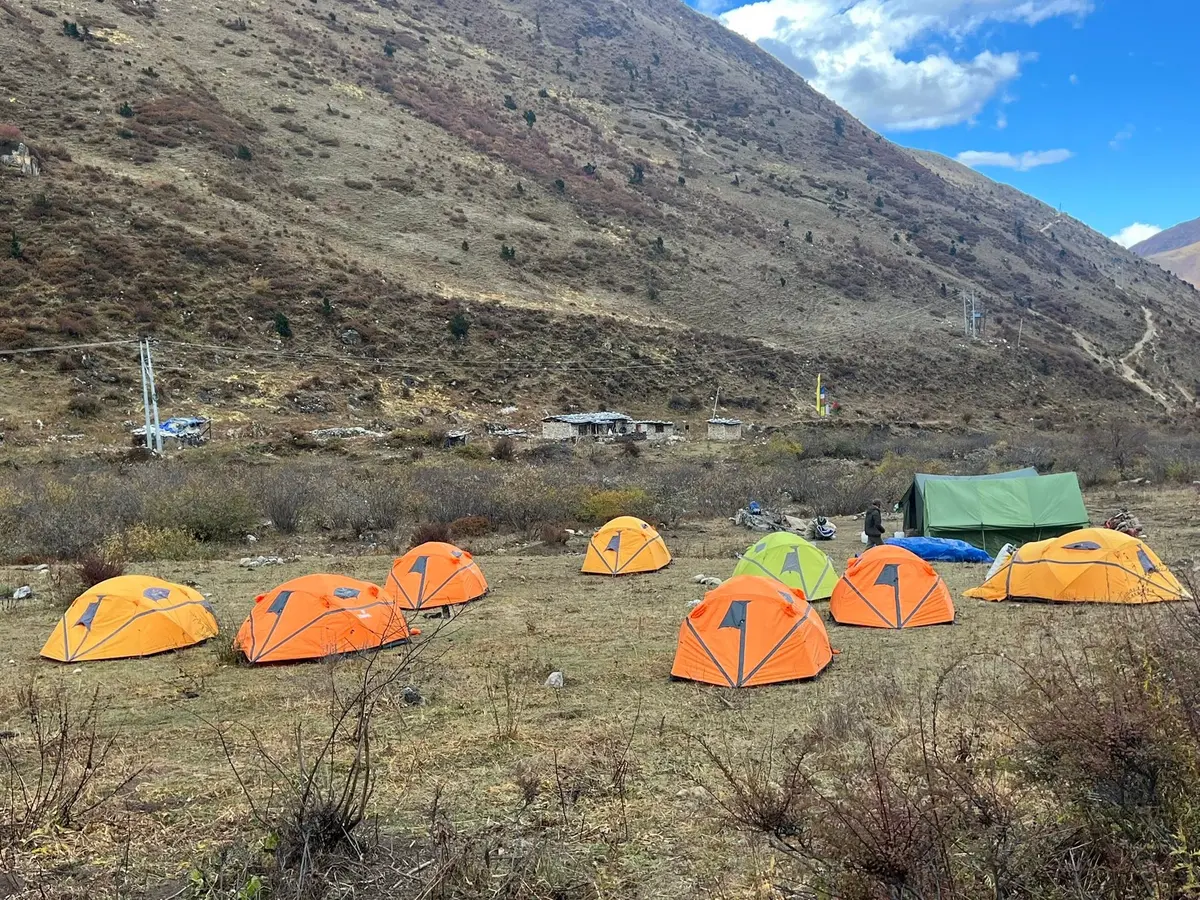
5. Luxury trekking and glamping. You do not have to choose between the Himalaya and a proper bed. Full-service camps with standing tents, mattresses, camp chefs, and hot washing water turn the Druk Path and Bumdra into five-star journeys — and dedicated glamping itineraries (like our Royal Bhutan Glamping) do it without requiring serious trekking legs. For the full trekking picture, difficulty grades and all, see the complete Bhutan trekking guide.
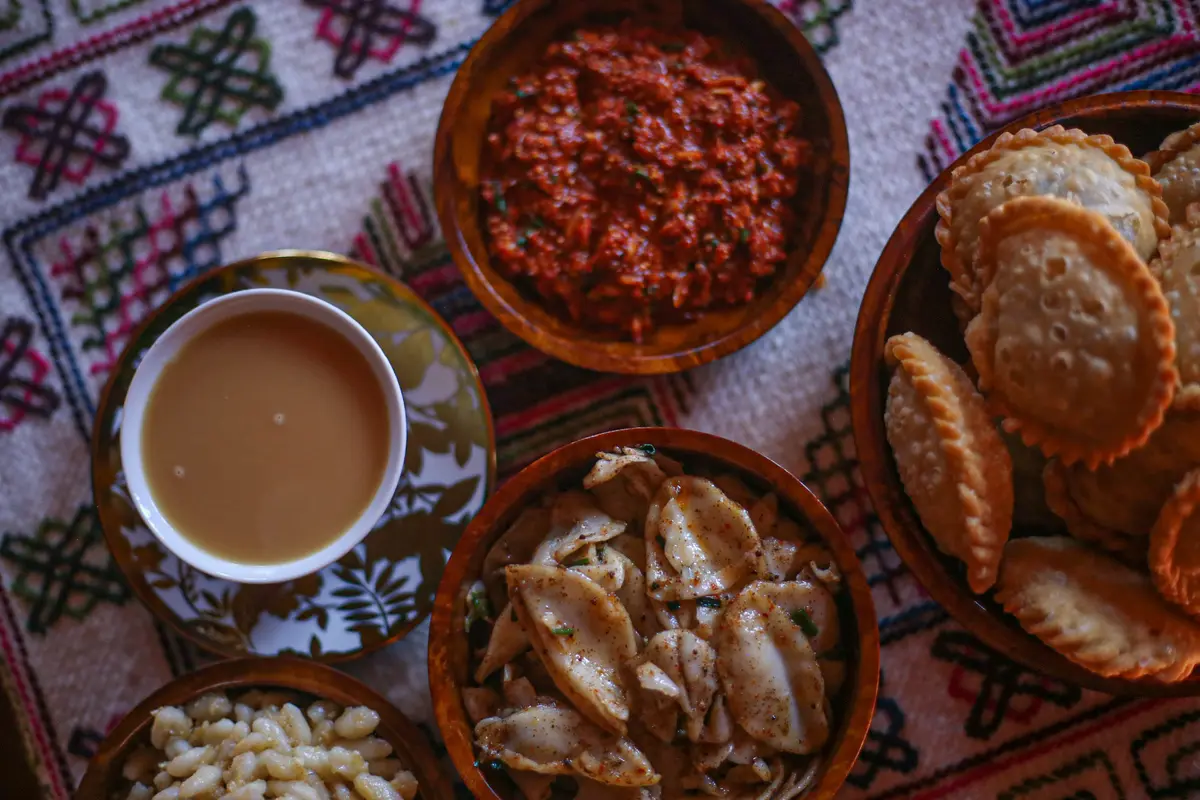
6. The farmhouse dinner. Ema datshi and ara (rice spirit) at a family hearth, arranged with a farming household your guide actually knows. Costs almost nothing; outranks most $200 tasting menus in memory-per-dollar. The best luxury itineraries alternate lodge cuisine with exactly this.
Three Proven Luxury Itinerary Shapes
The Classic Circuit — 7 nights, 3 valleys
Paro (2) → Thimphu (1) → Punakha (2) → Paro (2)
The first-timer's ideal: Tiger's Nest, the capital's dzongs and weekend market, Punakha's subtropical valley and river lodges, ending with Paro's museums and farewell hot stone bath. Works identically as a COMO two-property trip or an Amankora/Six Senses three-lodge journey. All driving legs under three hours.
The Deep West + Phobjikha — 10 nights
Paro (2) → Thimphu (1) → Punakha (3) → Phobjikha (2) → Paro (2)
Adds the glacial Phobjikha valley — black-necked cranes from late October to mid-February, and the strongest small-lodge scene in the country. The extra Punakha night converts the trip from sightseeing to inhabiting: river kayaking, rice-terrace walks, a day with no plan at all. This is the shape we build most often for honeymooners (Himalayan Honeymoon follows it).
The Full Kingdom — 12–14 nights
Paro → Thimphu → Punakha → Phobjikha → Trongsa → Bumthang, flying back Bumthang–Paro
The complete lodge-to-lodge traverse into the spiritual heartland of Bumthang — Amankora and Six Senses both run five-lodge versions (our Amankora Journey is the template). The domestic flight back saves a brutal two-day return drive and is non-negotiable at this tier.
When to Go: The Luxury Calendar
| Season | Verdict for luxury travel |
|---|---|
| Oct–Nov | Peak: crystal Himalayan views, big tshechus, crane arrivals. Book lodges 6–9 months out. |
| Mar–May | Spring: rhododendrons, Paro Tshechu, warm valleys. Second-strongest window. |
| Jun–Aug | Monsoon: 20–30% savings, empty trails, lush valleys, spa weather. The insider's window. |
| Dec–Feb | Winter: cold, clear, quiet; cranes in Phobjikha; lowest crowds at Tiger's Nest. Underrated for lodge-lovers. |
Month-by-month detail in our best time to visit Bhutan guide.
Five Mistakes That Waste Luxury Money in Bhutan
1. Too many valleys, too fast. The most common five-star regret is spending it on a van seat. Under 8 nights, cap yourself at three bases.
2. Booking lodges before festival dates. If a tshechu matters to you, anchor the itinerary to it first; festival weeks distort availability across whole valleys.
3. Treating the guide as a commodity. At this tier, ask your operator about the specific guide — seniority, languages, specialities. It changes everything and costs little.
4. Skipping the monsoon reflexively. If your travel window is June–August anyway, Bhutan's luxury lodges in monsoon are a genuinely great trip — not a consolation prize.
5. Assuming the SDF is avoidable at the top end. No package, lodge, or operator waives it — anyone implying otherwise is a red flag. It's the price of the emptiness you're buying.
Frequently Asked Questions
How much does a luxury Bhutan tour cost?
Realistically from about $550–900 per person per night all-in at the premium tier, and $1,100–1,700+ at the ultra-luxury lodge tier — including SDF, guide, transport, and accommodation. See the cost table above.
What are the best luxury hotels in Bhutan?
Amankora and Six Senses for full circuits; Gangtey Lodge, andBeyond Punakha River Lodge, and the COMO Umas among the independents; Zhiwa Ling for Bhutanese-owned heritage. Full ranking in our best luxury hotels guide.
Are luxury tours in Bhutan private or group?
Almost always private — Bhutan's model (dedicated guide + driver per booking) means even standard tours are effectively private. Luxury group departures exist for festivals but are the exception, not the norm.
Is Bhutan good for a luxury honeymoon?
Exceptional: private-by-default touring, world-class lodges with couples' spa traditions, and a culture that treats guests with unforced warmth. October–November and March–April are the honeymoon sweet spots.
Can you do a luxury trek in Bhutan?
Yes — full-service camping on routes like the Druk Path turns trekking five-star: staff-raised camps, proper mattresses, camp chefs, hot washing water. Glamping itineraries offer the same under-canvas romance without the trekking distances.
Do luxury packages include the visa and SDF?
Reputable operators fold both into the package price so you pay one number — but they are government fees, identical for everyone. Details in our Bhutan visa guide.
The Bottom Line
Luxury in Bhutan isn't a tier of hotel — it's a philosophy the country itself already practices: fewer, better, slower. The kingdom legislated away the crowds; the lodges perfected the comfort; what remains for you to supply is time and intent. Choose two or three valleys instead of five, anchor the trip to a festival or a season that means something, insist on the traditional versions of things — the stone bath, the farmhouse table — and Bhutan will return the investment in a currency most luxury travel has forgotten: days you remember individually, years later.
Ready to design yours? Browse our luxury Bhutan tours — from the Amankora circuit to glamping under the stars — or talk to our team about a fully bespoke itinerary.